

Experiencing a non‑viable pregnancy can be heartbreaking and leave intended parents with many questions about next steps. This article explains what a non‑viable pregnancy is, why it happens, how it’s diagnosed, and what family‑building options — including surrogacy — may be available afterward. We’ll cover medical definitions and diagnostic criteria, the common causes behind miscarriage and recurrent loss, and when surrogacy can be a practical option. Finally, you’ll learn how Baby Tree Surrogacy supports families through these challenging moments.

What Is a Non‑Viable Pregnancy — and How Is It Diagnosed?
A non‑viable pregnancy is one that, based on medical evaluation, is unlikely to result in a live birth. For intended parents facing repeated losses, understanding the diagnosis can help guide next steps. Clinicians use exams and imaging to confirm whether a pregnancy is viable.
What We Mean by Non‑Viable Pregnancy and Recurrent Pregnancy Loss
Non‑viable pregnancy refers to an embryo or fetus that cannot develop to a stage compatible with life outside the womb. Recurrent pregnancy loss generally describes two or more consecutive miscarriages. These outcomes can stem from medical, genetic, or environmental causes, so accurate diagnosis is important to plan appropriate care.
This understanding is consistent with research into the complex causes and patterns of recurrent pregnancy loss.
Understanding Recurrent Pregnancy Loss: Causes, Diagnosis, and Prognosis
Recurrent pregnancy loss affects roughly 2.5% of women trying to conceive and is defined as two or more clinically confirmed losses before about 20–24 weeks’ gestation, including both embryonic and fetal losses. Early pregnancy loss is usually straightforward to diagnose, but predicting and preventing recurrent losses remains difficult because of inconsistent definitions, unclear underlying causes, and varied clinical presentations. Overall prognosis is often favorable, though success rates depend on maternal age and the number of prior losses. Known causes include chromosomal abnormalities, uterine anatomical issues, autoimmune conditions, and problems with endometrial function.
Recurrent pregnancy loss, E Dimitriadis, 2020
Common Symptoms and How Providers Diagnose Non‑Viable Pregnancies

Signs of a non‑viable pregnancy can include vaginal bleeding, cramping, and the absence of a detectable fetal heartbeat. Diagnosis most often relies on ultrasound imaging and blood tests that measure hormone levels. Timely evaluation helps manage both the medical and emotional needs of intended parents.
What Common Factors Cause Miscarriage and Recurrent Pregnancy Loss?
Miscarriage and recurrent loss can result from many different factors, broadly grouped into medical, genetic, environmental, and lifestyle influences. Knowing these categories helps intended parents and clinicians investigate causes and consider next steps.
Medical and Genetic Contributors to Pregnancy Loss
Medical issues such as hormonal imbalances, structural uterine problems, and chronic conditions (for example, diabetes or thyroid disease) can increase the risk of pregnancy loss. Genetic abnormalities — especially chromosomal errors in the embryo — are a frequent cause of non‑viable pregnancies.
Researchers continue to map the many potential causes behind recurrent pregnancy loss to improve diagnosis and care.
Recurrent Pregnancy Loss: Etiology, Diagnosis, and Therapeutic Approaches
Spontaneous pregnancy loss is common: about 15% of clinically recognized pregnancies end in pregnancy failure. Definitions of recurrent pregnancy loss vary; when defined as three consecutive losses before 20 weeks, it affects roughly 1%–2% of women. This review summarizes current knowledge about the many etiologies implicated in recurrent loss, distinguishes established causes from suspected ones, and reviews appropriate diagnostic workups, treatment options, and prognosis.
Recurrent pregnancy loss: etiology, diagnosis, and therapy, DJ Schust, 2009
Environmental and Lifestyle Factors That Can Affect Pregnancy Viability
Environmental exposures (like certain toxins), smoking, and excessive alcohol use can harm pregnancy viability. Lifestyle factors such as poor nutrition and high stress may also contribute. Addressing modifiable risks and optimizing overall health can improve chances in future attempts.
When Should Intended Parents Consider Surrogacy as a Family‑Building Option?
For intended parents who have experienced non‑viable pregnancies or recurrent loss, surrogacy can be a practical option for having a biological child. Many families choose surrogacy after weighing medical history, emotional readiness, and reproductive goals.
Surrogacy Process Steps: From Consultation to Birth

Surrogacy team works together to understand and solve surrogacy issues shown in graphs and documents.
The surrogacy journey follows several key stages, and knowing what to expect at each step helps intended parents plan and feel more confident. A surrogacy timeline for intended parents can help you see how consultation, matching, legal work, and transfer unfold after that decision is made.
| Step | What it involves | Typical timeframe |
|---|---|---|
| Initial Consultation | Talk through options, goals, and next steps with a surrogacy specialist | 1–2 hours |
| Matching with a Surrogate | Find a surrogate whose profile and preferences align with yours | 1–3 months |
| Medical Screening | Health assessments and testing for both the surrogate and intended parents | 1–2 months |
| Legal Agreements | Create contracts that protect everyone’s rights and set expectations | 1–2 months |
| Embryo Transfer | IVF procedure to place the embryo in the surrogate | 1 day |
| Pregnancy Monitoring | Regular prenatal care and check‑ups to support a healthy pregnancy | Ongoing |
| Birth | Delivery and steps to establish parental rights | Varies |
This table outlines the steps in the surrogacy process so you know what to expect at each stage.
Egg Donation for Surrogacy: Who Qualifies and Why It Helps
Egg donation is commonly used when intended parents face specific fertility challenges. Donor eligibility typically considers age, overall health, and genetic screening. Using donor eggs can increase the chance of a successful pregnancy and provide an opportunity for a child who is biologically related to one partner or neither, depending on the family’s needs.
How Baby Tree Surrogacy Supports Families After Pregnancy Loss
Baby Tree Surrogacy offers personalized support for families recovering from pregnancy loss. Our services address both practical needs and emotional wellbeing as you consider next steps.
Emotional and Psychological Support Resources
We connect intended parents with counseling, peer support groups, and educational resources to help process grief and rebuild hope. These services are available whether you’re exploring local or international surrogacy options. A free surrogacy consultation can also give you a low-pressure place to talk through timing, process, and next-step questions.
Legal and Financial Guidance in Surrogacy Services
Surrogacy involves legal and financial considerations that can feel overwhelming. Baby Tree Surrogacy guides intended parents through contracts, payment structures, and available financial assistance. For a detailed breakdown, see our resources on surrogacy costs and the FAQ for intended parents. Questions to ask a surrogacy agency can help you compare how different teams handle contracts, coordination, and ongoing support.
Frequently Asked Questions
What are the emotional impacts of experiencing a non‑viable pregnancy?
Pregnancy loss can trigger deep grief, anxiety, and a sense of isolation. Intended parents often report a wide range of emotions as they process loss and consider next steps. Many people find counseling, support groups, and conversations with trusted clinicians helpful when navigating these feelings.
How can lifestyle changes improve the chances of a successful pregnancy?
Positive lifestyle changes can meaningfully improve reproductive health. Eating a balanced diet, staying active, managing stress, and avoiding tobacco and excessive alcohol are all beneficial. Treating chronic conditions like diabetes or thyroid disorders and working with a healthcare provider for personalized guidance can also improve outcomes.
What role does genetic testing play in recurrent pregnancy loss?
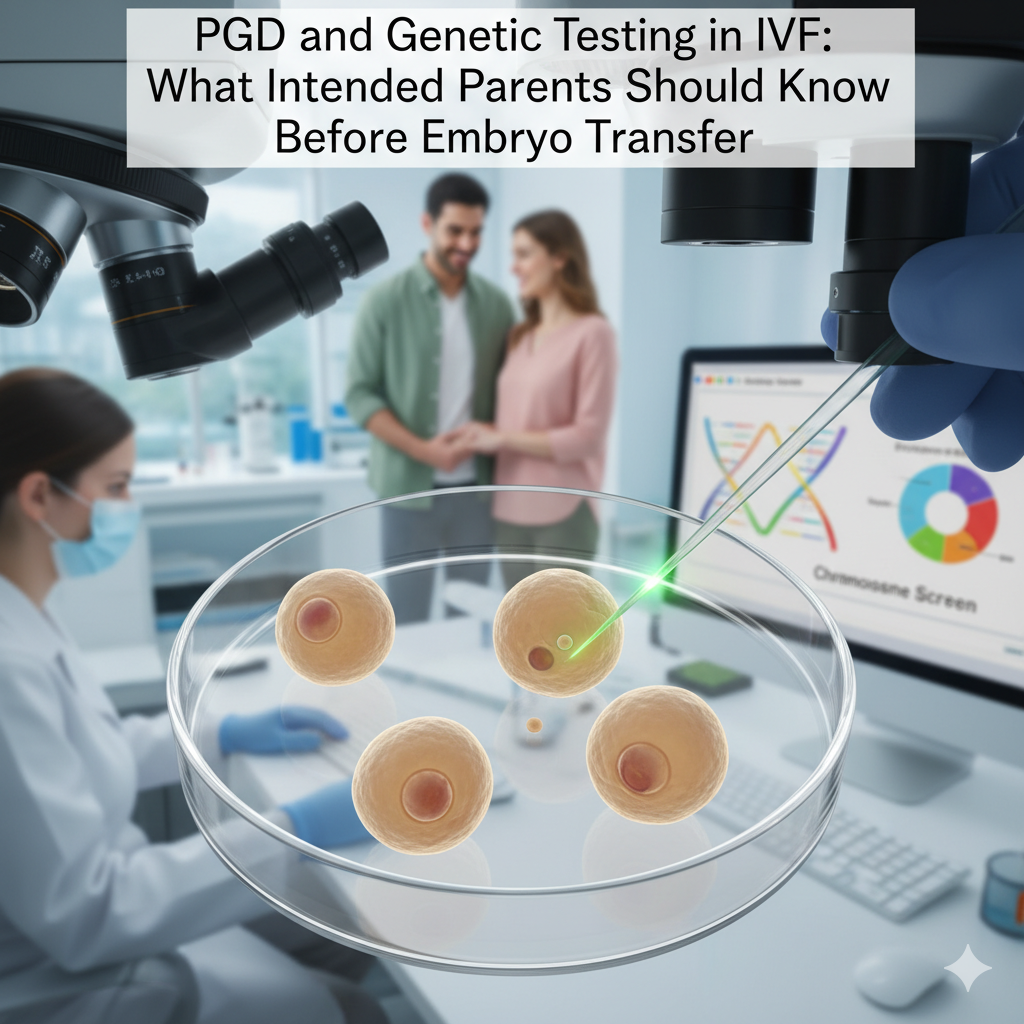
Reading PGD and genetic testing in IVF can help you understand how embryo screening may influence later treatment planning.
Genetic testing can identify chromosomal issues in embryos that contribute to miscarriage. For couples with multiple losses, testing may reveal inherited conditions or embryo abnormalities that help explain past outcomes and guide treatment plans to increase the chance of future success.
What legal considerations should intended parents know about surrogacy?
Legal considerations include drafting enforceable contracts that protect the surrogate and establish parental rights for the intended parents. Laws vary by state and country, so consulting an attorney experienced in reproductive law is essential to prevent complications and ensure the process complies with local regulations.
How does Baby Tree Surrogacy assist with the surrogacy process?
Baby Tree Surrogacy supports families through every stage: initial consultations, matching with qualified surrogates, medical screenings, and legal coordination. We also provide emotional support resources and act as a central point of communication to keep the process organized and compassionate.
What should intended parents know about the costs associated with surrogacy?
Surrogacy costs vary based on agency fees, medical procedures, legal work, and compensation for the surrogate. Creating a comprehensive financial plan is important. Baby Tree Surrogacy shares detailed cost breakdowns and information on financing or assistance programs to help you prepare.






0 Comments