
Article
What Is a Zygote? The First Cell in the IVF and Surrogacy Journey
A zygote is the single cell created when a sperm fertilizes an egg — the first step in human development. That cell then divides and, over time, becomes an embryo. For intended parents and surrogates, a basic understanding of zygote formation and early development helps demystify IVF and surrogacy and provides practical clarity. Below we explain how zygotes form, why they matter in IVF and surrogacy, and how reproductive technologies support them. If you’re exploring surrogacy, you can learn more about the full process at our surrogacy process.
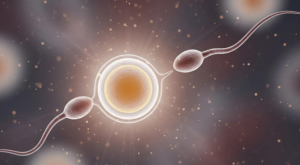
Babytree Surrogacy shows the start of IVF, with an egg and two sperm, symbolizing the moment a new life might begin. babytree
How a Zygote Forms
Zygote formation begins when a sperm penetrates an egg, typically in the fallopian tube. The two gametes fuse and combine genetic material into one cell. The zygote immediately begins cleavage: two cells become four, then eight, and so on, continuing until a blastocyst forms — a hollow, multi‑cell structure ready to implant in the uterine lining.
Why Zygotes Matter in IVF and Surrogacy

Zygotes are the starting point for every embryo used in IVF and surrogacy. Their early quality affects the chance of implantation and a healthy pregnancy. Clinics aim to create and nurture the best possible zygotes so more develop into viable embryos. At Babytree Surrogacy, we help intended parents and surrogates understand these steps and the choices that follow.
Zygotes in Reproductive Technology
In assisted reproduction, zygotes underpin embryo selection and transfer. Clinics use preimplantation genetic testing (PGT) to screen for chromosomal or genetic issues before transfer, improving selection. Cryopreservation advances also let clinics freeze zygotes or embryos for later use, giving families and surrogates timing flexibility.
What Is a Zygote and How Does It Develop?
A zygote is the fertilized egg at its earliest stage. It begins as a single cell and moves through distinct phases as it divides and organizes into an embryo. Understanding these stages helps families and care teams make informed IVF and surrogacy decisions.
What Are the Key Stages of Zygote Development?
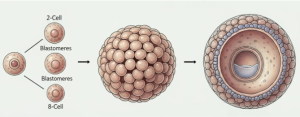
How a fertilized egg grows step by step into a blastocyst, an early stage in human development.
The main stages are:
- Cleavage Stage: Rapid cell divisions produce multiple smaller cells.
- Morula Stage: Cells compact into a dense cluster called a morula.
- Blastocyst Stage: A fluid-filled cavity forms and the structure becomes a blastocyst, typically ready for uterine implantation.
Progress through these stages is essential for a successful transition from zygote to embryo and, ultimately, pregnancy.
How Does a Zygote Transition into an Embryo?
After the blastocyst forms, implantation into the uterine lining is required for continued development. Successful implantation provides nutrients and hormonal support from the body. Both timing and uterine readiness matter — transfers that are mistimed can reduce the chance of a viable pregnancy.
The Zygote’s Role in IVF Procedures
In IVF, fertilization is done in the lab, creating zygotes outside the body. This controlled setting allows embryologists to monitor early development and select the healthiest embryos for transfer to the surrogate or intended mother.
How Is Zygote Formation Integrated into the IVF Process?
Zygote formation follows ovarian stimulation and egg retrieval. Retrieved eggs are fertilized with sperm in the lab — sometimes using intracytoplasmic sperm injection (ICSI) — and resulting zygotes are cultured for several days while their development is observed.
What Happens After Zygote Formation During IVF?
Embryologists track cleavage, morula formation, and blastocyst emergence over about five to six days. When a blastocyst meets quality criteria, it can be transferred for implantation or cryopreserved for future use A surrogacy timeline for intended parents can help you map embryo culture, transfer, and early pregnancy milestones in order..
Zygote Transfer in Surrogacy
Zygote transfer in surrogacy places an embryo into the surrogate’s uterus at the optimal time. This requires coordination among the fertility team, surrogate, and intended parents to maximize implantation chances. If you’re budgeting for surrogacy, review the costs to understand expected expenses.
How Egg Donation Influences Zygote Formation
When donor eggs are used, donor health and age strongly influence zygote quality. Better egg quality raises the likelihood of producing viable zygotes and embryos; donors therefore undergo medical and genetic screening to support successful outcomes. Genetic carrier screening is another topic many intended parents review when donor or embryo planning is part of the conversation.
The Donor’s Role in Zygote Development
Donors provide the eggs that, once fertilized, become zygotes. Screening helps ensure donors meet medical criteria that support healthy egg quality and improve the chances of embryo development and pregnancy.
How Egg Quality Affects Zygote Viability
Egg quality — influenced by donor age and overall health — is a major factor in zygote viability. Younger, healthy donors generally provide eggs with higher developmental potential, increasing the chance of successful fertilization and embryo growth.
Key factors that influence zygote quality and IVF outcomes include:
| Zygote Quality Factor | Impact on IVF Success | Description |
|---|---|---|
| Egg Quality | High | Stronger egg health typically leads to more viable zygotes and embryos. |
| Sperm Quality | Medium | Healthy sperm supports fertilization and genetic stability. |
| Timing of Transfer | High | Transferring at the right developmental window improves implantation chances. |
This overview shows how multiple factors combine to influence IVF success and why zygotes are central in family building. For more practical answers, see our FAQ for parents.
Frequently Asked Questions
What is the difference between a zygote and an embryo?
A zygote is the single cell formed right after fertilization. As it divides and develops through the morula and blastocyst stages, it becomes known as an embryo. The embryo stage continues through the eighth week of pregnancy and reflects greater developmental complexity.
Can zygotes be frozen for future use?
Yes. Zygotes and embryos can be cryopreserved, allowing later use. Freezing provides scheduling flexibility, though thawing and survival depend on lab protocols and the stage at freezing, so experienced care is important.
What factors influence the quality of a zygote?
Zygote quality depends on egg and sperm health, timing of fertilization, and laboratory culture conditions. Donor age, overall health, and clinic practices all affect the likelihood of healthy embryo development.
How long does it take for a zygote to develop into a blastocyst?
It typically takes about five to six days for a fertilized egg to reach the blastocyst stage, passing through cleavage and morula formation along the way.
What role does preimplantation genetic testing play in zygote development?
Preimplantation genetic testing (PGT) screens embryos for chromosomal or genetic issues before transfer. PGT helps identify embryos with lower genetic risk so clinics and families can select those most likely to result in a healthy pregnancy. PGD and genetic testing in IVF gives more context on how screening fits into embryo selection before transfer.
How does the timing of zygote transfer affect pregnancy success?
Timing is critical: transferring an embryo when the uterus and embryo are synchronized maximizes implantation chances. Fertility teams often aim for blastocyst-stage transfer to match the uterine environment.
Summarize with ChatGPT
Summarize with Perplexity
Summarize with Claude
Summarize with Google AI Mode
Ready to start your journey?
Whether you're building your family or ready to help one grow, the first conversation is free.