

Friends, including a pregnant woman, happily talk about US surrogacy options with Babytree Surrogacy in a friendly setting. babytree
Moving forward with surrogacy abroad raises many questions — especially when the United States is the destination. This guide walks international intended parents through the practical and legal realities of US surrogacy: why families choose the US, how parental rights are established, what the medical and legal steps look like, likely costs, and how Babytree Surrogacy supports you from match to homecoming. Read on for clear, actionable information to help you plan with confidence.
Why Choose the United States for International Surrogacy?
The US is a leading choice for international surrogacy because many states offer clear, supportive surrogacy laws, clinics provide advanced reproductive care, and IVF success rates are among the highest globally. Together, these factors offer intended parents greater predictability, high‑quality medical oversight, and established legal pathways to secure parental rights.
What Makes US Surrogacy Laws Favorable for International Parents?
Surrogacy law in the US differs by state, and some states provide significantly stronger protections for intended parents than others. States such as California have well‑established legal frameworks that recognize gestational surrogacy agreements and, in many cases, allow intended parents to obtain pre‑birth court orders confirming their parental rights. For a deeper breakdown of protections and how parentage is typically handled, see our California surrogacy laws guide.
How Does Advanced Medical Care Enhance Surrogacy Success Rates in the US?
US clinics typically combine thorough surrogate screening with advanced IVF and embryology techniques. Rigorous medical and psychological evaluations, experienced clinical teams, and up‑to‑date laboratory technology all support strong success rates and safer pregnancies, giving intended parents confidence in the quality of care throughout the journey.
What Are the Legal Frameworks and Parental Rights for International Surrogacy in the US?
Knowing how surrogacy laws and parental rights operate in the US is essential. Because rules vary from state to state, intended parents should understand local statutes, contract enforceability, and the court processes that establish legal parentage. If you’re comparing jurisdictions, this surrogacy legal contracts by state resource can help you spot differences that matter to international families.
Which US States Offer the Most Supportive Surrogacy Laws for Foreigners?
Babytree Surrogacy’s US map clearly shows which states allow surrogacy, helping international parents understand their options. babytree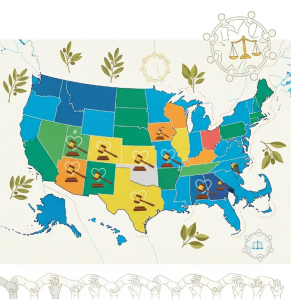
California, Illinois, and Massachusetts are frequently recommended as highly supportive for international intended parents. In these states, courts are surrogacy-friendly, routinely granting pre-birth or prompt post-birth parentage orders that simplify bringing your newborn home.
How Are Parental Rights Established and Recognized Internationally?
In surrogacy-friendly US states, parental rights are typically established through enforceable contracts and court orders. International recognition of these orders varies widely: some countries accept them directly, while others require additional steps like adoption or re-registration. Always consult attorneys in both the US and your home country early to plan for any additional procedures needed for your child’s recognition abroad.
How Does the International Surrogacy Process Work in the US?
Babytree Surrogacy’s flowchart explains the five main steps in US surrogacy, helpful for international parents planning for 2026. babytree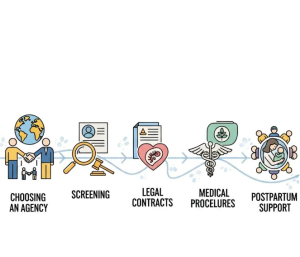
The international surrogacy process in the US follows a clear sequence of steps. Knowing each phase and the parties involved makes the journey easier to manage and less stressful. When you’re comparing service models and support levels, this guide on choosing a surrogacy agency can help you evaluate programs more confidently.
- Choosing an Agency: Pick an agency that combines careful medical and psychological screening for surrogates, coordinates with experienced family law counsel, and shares transparent pricing and timelines.
- Screening and Matching: Agencies perform medical, genetic, and psychological assessments of potential surrogates. Once a good match is found, both sides start relationship-building and planning.
- Legal Contracts: Work with attorneys who specialize in assisted reproduction to draft agreements that spell out parental rights, compensation, medical responsibilities, and timelines.
- Medical Procedures: After contracts are signed, clinics prepare and perform embryo transfer and related fertility procedures. Timing depends on clinic schedules and medical readiness.
- Pregnancy and Support: Throughout pregnancy, the agency and clinic coordinate medical care and mental-health resources for the surrogate and provide regular updates to intended parents.
- Postpartum Support: After birth, the agency and attorneys complete legal steps to confirm parentage and offer support for the immediate postpartum period.
- Cost Considerations: Expect agency fees, surrogate compensation, medical charges, and legal costs. A detailed estimate from your agency helps you budget and explore financing options.
From first contact to taking your newborn home, the timeline commonly ranges from 12 to 18 months, though individual cases may be shorter or longer depending on medical and legal factors.
What Are the Key Steps in Matching with a Gestational Surrogate?
Matching with a gestational surrogate usually follows these practical steps:
- Choosing a Surrogacy Agency: Compare agencies by screening standards, legal support, timeline transparency, and ethical practices.
- Screening Process: Confirm the agency completes thorough medical checks, psychological evaluations, background screenings, and insurance reviews for surrogates.
- Legal Considerations: Make sure the agency partners with family law counsel experienced in pre-birth orders and parentage recognition.
- Matching Process: Use the agency’s matching tools and case management to find a surrogate who aligns with your medical, logistical, and relational needs.
- Ongoing Support: After matching, rely on the agency for appointment coordination, travel logistics, and regular communication between all parties.
Following these steps reduces surprises and creates clearer expectations for everyone involved.
What Medical Procedures Are Involved in US Gestational Surrogacy?
Medical care in gestational surrogacy typically includes:
- Medical Screening: A full health evaluation of the surrogate, verification of obstetric history, and clinic clearance.
- Genetic Testing: Performed when medically appropriate to guide embryo selection and reduce risk.
- Embryo Transfer: IVF embryos are transferred to the surrogate’s uterus under clinical supervision.
- Ongoing Medical Care: Regular prenatal visits, monitoring, and coordinated care throughout the pregnancy.
These steps protect the health of both the surrogate and the baby and are standard practice at US fertility centers. If you want a clearer view of what happens at the clinic level (timing, monitoring, transfer steps), use this surrogacy medical process (IVF to transfer) resource.
Why Families Around the World Trust BabyTree Surrogacy
“After years of heartbreaking failed treatments, partnering with BabyTree Surrogacy was the turning point for our family. From our first call, the team explained every step clearly and matched us with a surrogate who shared our values and communication style. Even though we live overseas, updates were frequent, video calls were easy to schedule, and we never felt left in the dark. Walking out of the hospital with our baby… we’re deeply grateful for how supported, respected, and safe we felt.”
— International Intended Parents (shared anonymously)
“I’m so glad I chose to have my surrogacy journey with Babytree. The team is amazing. They always check up on me to see how I’m doing and if I need anything… I feel supported and have never felt alone.”
— Surrogate (shared anonymously)
“We talked to several agencies… chose BabyTree… transparent about costs, timelines, and screening… case manager coordinated with the clinic, attorneys, and our surrogate… became organized and surprisingly calm.”
— Intended Parents (shared anonymously)
What Are the Costs and Financial Planning Considerations for International Surrogacy in America?
Costs for international surrogacy in the US vary widely. Understanding the main expense categories helps you plan and compare estimates from agencies and clinics.
- Medical and IVF Fees: Typically range from $30,000–$60,000 (meds, transfers, prenatal care).
- EggDonor Costs: If you use a donor, expect an additional $20,000 to $35,000.
- Background Check Fees: Often about $1,500 to $2,000 for all parties.
- Variable Surrogate Compensation: Generally between $45,000 and $70,000, depending on location and experience.
- Travel and Legal Expenses: Plan for travel, visas, and cross-border legal work that can add to the budget.
- Financing Options: Options include fertility loans, agency payment plans, employer benefits, and occasional grants. Each has different terms and eligibility rules.
Ask your agency for a detailed cost breakdown and timeline so you can choose financing that fits your projected out-of-pocket needs. If you want an itemized, planning-focused view (what drives pricing up/down, typical ranges, and where surprises happen), see cost to hire a surrogate mother.
How Is the Total Cost of Surrogacy Structured for International Parents?
Agencies typically provide a transparent fee structure with an itemized estimate. Core cost components usually include:
|
Cost Component |
Description |
Estimated Cost |
|---|---|---|
|
Medical Fees |
IVF and medical procedures |
$30,000 – $60,000 |
|
Egg Donor Fees |
If applicable |
$20,000 – $35,000 |
|
Background Check Fees |
For all parties |
$1,500 – $2,000 |
|
Surrogate Compensation |
Varies by location |
$45,000 – $70,000 |
|
Travel Expenses |
For international parents |
Additional costs |
|
Legal Fees |
For contracts and parental rights |
Variable |
Use this table as a planning tool — your actual quote will reflect your choices around clinics, donors, and legal jurisdictions.
What Financing and Insurance Options Are Available for International Intended Parents?
International intended parents have these key financing options:
- Fertility-specific loans: Loans designed for IVF and surrogacy with defined repayment plans.
- Agency payment plans: Tied to milestones for better cash flow.
- Employer fertility benefits: Some employers offer partial coverage for fertility and surrogacy-related care.
- Grants: Limited grants are sometimes available to eligible families.
Also plan for extra travel and cross-border legal costs. Request a comprehensive estimate to confirm whether a loan or benefit will cover the full projected expenses.
What Travel, Visa, and Logistics Must International Intended Parents Prepare for US Surrogacy?
International intended parents navigate travel logistics, visas, and local arrangements while the surrogacy progresses. Early planning around these practical details prevents delays and stress later in the process.
What Are the US Visa Requirements for International Surrogacy Intended Parents?
Most international intended parents use a visitor visa to travel to the US for surrogacy-related appointments and the birth. Common options include:
- B-2 Tourist Visa: Frequently used for travel related to surrogacy.
The K-1 Visa is for fiancés of US citizens and is generally not applicable to surrogacy. Visa applications typically require supporting documents such as the surrogacy agreement and proof of financial readiness.
How Is Baby’s US Citizenship and Passport Process Handled After Birth?
After birth, intended parents will complete paperwork to secure the child’s US documentation. Typical steps include:
- Applying for a Birth Certificate: Filed in the state where the child is born.
- Applying for a US Passport: Submit the birth certificate and evidence of parental rights to the US State Department.
- Establishing Citizenship: Children born on US soil are granted citizenship under the 14th Amendment, but careful paperwork and timely filing help avoid delays.
How Does Babytree Surrogacy Support International and LGBTQ+ Families Throughout Their Journey?
Babytree provides legal coordination, clinical guidance, and tailored support for international and LGBTQ+ families. If you’d like to explain Babytree’s matching approach more concretely (how profiles are reviewed, alignment factors, communication expectations, and timeline), you can link here: Babytree surrogate matching process.
What Emotional and Community Support Is Available for International Intended Parents?
International intended parents can access a range of emotional and community resources through Babytree, including:
- Mental Health Services: Counseling for intended parents and surrogates throughout the journey.
- Surrogate Concierge Service: Extra coordination and care for complex medical or logistical needs.
- Lifetime Support Network: Connections with families who have completed surrogacy journeys for long-term community and advice.
- Surrogacy Education Programs: Webinars and courses that explain each step and prepare families for what’s ahead.
- Annual Events: Gatherings like the Circle of Love to celebrate families and strengthen community ties.
These resources are designed to support emotional wellbeing and create ongoing connections beyond the birth.
How Does Babytree Cater to LGBTQ+ Families Seeking Surrogacy in the US?
Babytree Surrogacy offers inclusive services tailored to LGBTQ+ parents, including specialized legal guidance to secure parental rights and staff trained in cultural competency. Their approach ensures all family structures receive respectful, informed support through every step of the process.
Frequently Asked Questions
What are the common challenges faced by international intended parents during the surrogacy process in the US?
Common challenges include navigating varying state laws, managing medical and legal timelines, handling travel logistics, and addressing cultural or language differences. Financial planning is also a major consideration, since travel, legal fees, and medical costs can add up. Working with experienced legal counsel and an agency familiar with international cases helps reduce surprises.
How can international intended parents ensure a smooth communication process with their surrogate?
Set communication expectations early: agree on frequency, platforms (video calls, messaging, email), and who will coordinate updates. Use your agency’s case manager to bridge time zones, language differences, or scheduling conflicts. Clear, consistent communication builds trust and keeps everyone aligned.
What role does a surrogacy agency play in supporting international intended parents?
An agency coordinates the many moving parts: matching, medical appointments, legal referrals, and logistical support. For international parents, agencies also help with travel planning, visa logistics, and working with attorneys who understand cross-border recognition of parentage.
What should international intended parents know about the timeline of the surrogacy process?
Expect around 12 to 18 months from first contact to returning home with a newborn, though timing varies by clinic schedules, matching speed, medical factors, and legal steps. Build flexibility into plans and confirm timelines with your agency and clinic at each stage.
How can international intended parents prepare for the postpartum phase after the birth of their child?
Plan the legal paperwork for parentage, arrange travel details in advance, and confirm who will handle immediate hospital and birth-record steps. Use agency support for postpartum logistics and take advantage of counseling and community resources during that transition.
What are the potential legal implications for international intended parents after returning to their home country?
Some countries do not automatically recognize US surrogacy orders or birth records, which can complicate passport issuance or legal parentage at home. Before you travel, consult legal experts both in the US and in your home country so you know what additional documentation or court steps may be required.







0 Comments