

Choosing to donate eggs is a generous, life-changing decision that helps people and couples build families. This guide explains the egg donation journey step by step — who can donate, what the medical process looks like, how donors are compensated, safety considerations, and the legal protections involved. We’ll answer common questions about eligibility, testing, and the support you can expect from start to finish. By understanding these details, you’ll be better prepared to decide whether egg donation is right for you and why many donors choose BabyTree Surrogacy as their partner. If you’re ready to get started locally, you can learn more about donate eggs California and what to expect from your first application to retrieval.
How to Donate Eggs
Egg Donor Requirements and Qualifications
Becoming an egg donor involves meeting specific standards designed to protect both you and the recipient. Typical requirements cover age, general health, lifestyle factors, and family medical history.
Age and Health Criteria for Egg Donors
Most programs accept donors between 21 and 32 years old — an age range that generally corresponds with strong egg quality. Candidates also complete thorough medical screenings, including blood work and a physical exam, to confirm reproductive health and rule out conditions that could affect the donation.
How Lifestyle and Genetics Affect Eligibility
Certain lifestyle habits — like smoking, heavy alcohol use, or recreational drug use — can disqualify a candidate. We also review family medical history and often run genetic tests to screen for inherited conditions. These steps help protect the future child’s health and ensure the best possible match for recipients.
The Egg Donation Process: Step by Step
The donation pathway is planned to prioritize safety and clarity. Below are the common stages donors can expect, from application to recovery. If you want a second walkthrough with extra detail and timeline expectations, see our egg donation process guide.
Application and Screening: What to Expect
The process begins with an application and initial screening. You’ll provide medical and personal history, and undergo psychological screening to confirm you understand the emotional and practical aspects of donation. This stage helps ensure you’re a good fit medically and emotionally.
Ovarian Stimulation and Monitoring
If accepted, you’ll follow a medication schedule of hormone injections to stimulate your ovaries to produce multiple eggs. During stimulation, clinicians monitor progress with blood tests and ultrasound visits to track follicle growth and adjust medication as needed.
Egg Retrieval and Recovery Timeline
Egg retrieval is a short clinic procedure performed under sedation. A fine needle collects the eggs through the vaginal wall; the procedure usually takes 20–30 minutes and you’ll go home the same day. Most people recover within a few days, though mild cramping or bloating can persist briefly.
Compensation and Donor Benefits
Egg Donation requires time, travel, and medical commitment, and donors are compensated to acknowledge that contribution. There may also be reimbursements and support services available.
How Donor Compensation Is Structured
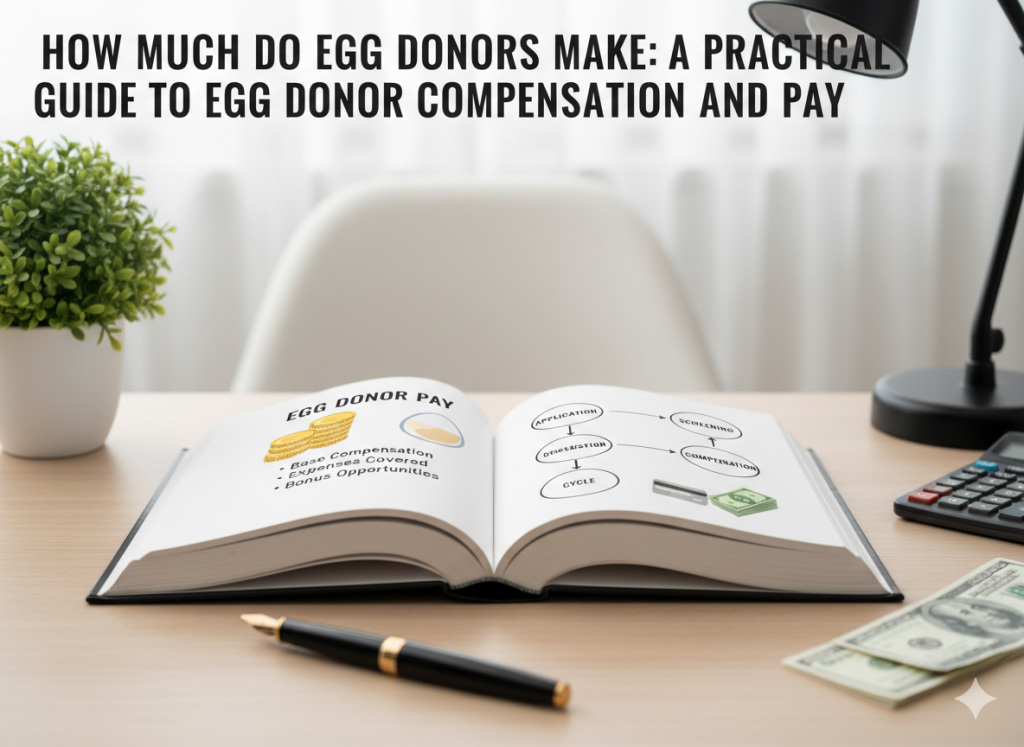
Compensation varies by egg doner agency, experience, and location. In the U.S., many agencies now advertise typical ranges of about $8,000 to $20,000 per cycle, with higher amounts possible for certain donors. That amount is intended to cover your time, clinic visits, and related procedures; agencies may also cover travel and medical expenses when required.
Taxes and Additional Donor Benefits
Donation payment is usually considered taxable income, so it’s wise to consult a tax professional. In addition to payment, donors often receive reimbursements for travel, medical costs, and counseling to support a safe and comfortable experience.
Safety and Risks of Egg Donation
Your health and well‑being are central to every step of the donation process. Knowing the possible risks helps you make an informed choice.
Common Short-Term Risks and Side Effects
Short-term effects can include injection-site bruising, mild cramping, and temporary bloating. A small number of donors experience ovarian hyperstimulation syndrome (OHSS), which can cause abdominal pain, nausea, and swelling; clinics monitor closely to reduce this risk and manage symptoms if they occur.
Long-Term Fertility and Health Considerations
Current research finds no clear link between egg donation and long-term infertility or major health problems. Clinics follow evidence-based protocols and long-term studies continue to track donor outcomes, but it’s important to discuss personal health concerns with your provider before donating.
Legal and Ethical Considerations for Donors
Legal and ethical safeguards are in place to protect donors and intended parents. Understanding these protections is an essential part of the decision process.
Legal Agreements for Donors and Intended Parents
Before donation, everyone signs legal contracts that clarify rights, responsibilities, compensation, and issues around anonymity and parental claims. We recommend reviewing these agreements with an independent attorney so you fully understand your rights and obligations.
How BabyTree Surrogacy Upholds Ethical Standards
At BabyTree Surrogacy we follow strict ethical guidelines to ensure transparent communication and respectful treatment throughout the process. Our priority is the health and dignity of donors and intended parents alike, and we provide clear information and support at every step.
Why Choose BabyTree Surrogacy for Your Donation Journey
Choosing an agency matters. BabyTree combines experienced medical partners, personalized support, and a proven screening process to make donation safe, respectful, and well supported. If you’re also learning how egg donation can work alongside gestational surrogacy for intended parents, this overview is helpful:egg donation and gestational surrogacy.
Real Voices from BabyTree Clients
“I finally felt seen and supported, not rushed through a process.”
“I felt supported throughout the donation process. The team made sure I understood what to expect and answered all my questions, which helped me feel safe and informed.”
“The matching and screening felt personal, not transactional.”
“I expected everything to feel very clinical, but it didn’t. The coordinators checked in on how I was feeling emotionally, not just whether my lab work was done, and they made sure I was only matched in situations I felt good about, which made the whole journey feel much more human.”
“Being a donor was emotional, but I never had to go through it alone.”
“There were days when the injections and appointments felt overwhelming, yet I always had someone from the agency checking on me. Knowing I could message them any time, and that they truly cared about my well-being, helped me stay calm and reminded me why I chose to donate in the first place—to help someone else start a family.”
(first-hand experience section)
Medical and Emotional Support for Donors
We connect donors with trusted medical teams and offer counseling and resources to address emotional needs. From medication coaching to post-procedure check-ins, our team is here to support you through the entire journey.
BabyTree’s Thorough Donor Screening
Our screening includes medical exams, psychological assessment, and genetic testing to confirm you meet criteria and are fully prepared for donation. This careful process protects both donors and recipients.
Donor Stories and Testimonials
Many donors tell us they found the experience deeply meaningful and appreciated BabyTree’s compassionate, organized approach. Their stories highlight the agency’s focus on safety, respect, and support for every donor.
|
Requirement |
Description |
Importance |
|---|---|---|
|
Age |
19-29 years old (some clinics accept donors up to 32-33; the ideal range is 20–29) |
Optimal egg quality |
|
Health |
Comprehensive screenings |
Ensures donor safety |
|
Lifestyle |
No smoking or drug use |
Protects recipient health |
Egg donation is a powerful way to help others while receiving practical support and compensation in return. By learning the eligibility rules, medical steps, risks, and legal protections, you can decide with confidence whether donation is the right path for you.
Frequently Asked Questions
What psychological evaluations do egg donors undergo?
Psychological screening usually includes an interview and standardized questionnaires to check emotional readiness and motivation. The goal is to make sure you understand the process, feel comfortable with the decision, and have coping strategies for any emotional challenges that might arise.
What are the potential emotional impacts of egg donation?
Many donors feel proud and fulfilled after donating, but some people experience mixed emotions — surprise, grief, or curiosity about any future child. Counseling and peer support can help you process those feelings, and our team connects donors with resources before, during, and after donation. You can also explore emotional support during the journey to better understand common feelings and coping tools.
How does the egg donation process differ for first-time donors versus repeat donors?
First-time donors often receive more detailed education and a full screening cycle. Repeat donors may move through some steps faster since they’re already familiar with the process, but each cycle still requires medical checks to confirm eligibility and safety.
What should egg donors know about their rights during the donation process?
Donors have rights to informed consent, privacy, andprotection through legal agreements that clarify compensation, confidentiality, and parental rights; we recommend independent legal review to fully understand these protections. Legal agreements spell out details about compensation and parental rights; we encourage donors to get independent legal advice so they clearly understand those protections.
Are there any age restrictions for repeat egg donors?
Yes — agencies typically apply the same age guidelines for repeat donors,with the ideal range typically between 20 and 29 years old, though some clinics may accept donors up to 32 or 33. Donors older than this range may need additional testing to confirm eligibility for further cycles.
What resources are available for egg donors considering the process?
Doners can access educational materials, counseling, and support groups through their agency. BabyTree provides medical guidance, emotional support services, and reimbursement assistance where applicable. Online communities and fertility counselors are also useful sources of peer experience and professional advice. If compensation is one of your top questions, read how to sell my eggs for a practical overview.



0 Comments