

Egg retrieval is a pivotal step in IVF and egg donation. Eggs are collected ~36 hours after a trigger injection following ovarian stimulation for lab fertilization into embryos. This guide covers preparation, the procedure, recovery, and risks to help you feel prepared. We also highlight how BabyTree Surrogacy, a California-based surrogacy and egg donor agency, supports intended parents, egg donors, and surrogates through every step.

Step‑by‑Step Guide for IVF and Egg Donation
What this article covers:
- Why egg retrieval matters
- How to prepare
- What happens during the procedure
- What recovery looks like
- Possible risks and side effects
- Factors that affect success rates
What Is the Egg Retrieval Procedure and Why Is It Important?
Egg retrieval is a medical procedure to collect mature eggs from a person’s ovaries after hormonal stimulation. Whether the eggs come from an egg donor or the intended mother, the goal is the same: provide healthy eggs for fertilization in the lab so embryos can be created and later transferred to a surrogate or the intended parent.
The outcome depends on several factors — egg quality, clinic protocols, and lab expertise all matter — but knowing the steps in advance helps reduce anxiety and sets realistic expectations. For many families, retrieval is one part of a bigger plan that may include surrogacy—here’s how the two can work together in egg donation and gestational surrogacy.
How Does Egg Retrieval Fit into IVF and Egg Donation?
Egg retrieval is a core step in both IVF and egg donation. First, fertility medications stimulate the ovaries to produce multiple follicles. When follicles reach maturity, a trigger injection is given and the retrieval is scheduled about 34–36 hours later. During retrieval, eggs are collected under sedation, then taken to the embryology lab for fertilization and culture. Later, one or more embryos can be transferred depending on the family’s plan. (If you want the full medical “what happens next” after retrieval, see our guide to the surrogacy medical process (IVF to transfer).)
Who’s Involved in the Egg Retrieval?
A small, skilled team handles the process. A reproductive endocrinologist or fertility specialist performs the retrieval, an embryologist evaluates and fertilizes the eggs, and nursing staff provide clinical care and support before and after the procedure.
How Should You Prepare for Your Egg Retrieval?
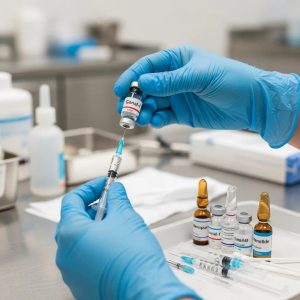
Prepare for Your Egg Retrieval
Careful preparation helps the cycle go smoothly. Most people follow a controlled ovarian stimulation plan that includes injectable hormones, monitoring appointments, and the final trigger shot to time the retrieval. If you’re looking for a practical “start here” checklist before you begin, you can also review how to donate eggs.
What Is Ovarian Stimulation and How Are Medications Used?
Ovarian stimulation uses fertility medications (commonly gonadotropins) to encourage multiple follicles to grow. Your clinic will monitor progress with blood tests and ultrasounds to track follicle size and hormone levels. That monitoring determines the optimal time for the trigger injection and the retrieval.
Clinical protocols have evolved to balance maximizing egg yield with patient safety, tailoring treatment to each person rather than using a one-size-fits-all approach.
Ovarian Stimulation Protocols for IVF: Inducing Ovulation for Higher Oocyte Yield
Early IVF cycles retrieved a single egg; modern protocols use controlled ovarian stimulation with gonadotropins to increase the number of oocytes. Over time, multiple stimulation strategies have been developed to improve oocyte yield while managing patient safety during in vitro fertilization cycles.
Predicting and preventing ovarian hyperstimulation syndrome (OHSS): the need for individualized not standardized treatment, D Ezcurra, 2012
Why Is the Trigger Shot Important and When Is It Given?
The trigger injection matures the eggs and times ovulation so the clinic can retrieve eggs before they’re released naturally. It’s usually given about 34–36 hours before the scheduled retrieval to ensure eggs are at the right stage for collection.
What Happens During the Egg Retrieval Procedure?
How Is Anesthesia Given and What Should You Expect?
Most people have conscious sedation or light general anesthesia for egg retrieval. The goal is to keep you comfortable and relaxed; you may feel pressure but generally minimal pain. Recovery from anesthesia is quick, and most people go home the same day with a support person.
What Role Do Ultrasound and Needle Aspiration Play?
Transvaginal ultrasound guides a fine needle through the vaginal wall into the ovarian follicles to aspirate fluid that contains the eggs. This minimally invasive technique is precise and widely used to keep the procedure safe and efficient.
BabyTree Surrogacy coordinates care and communication between intended parents, donors, and clinics so everyone knows what to expect before, during, and after retrieval.
How Is Recovery Managed After Egg Retrieval?

How Is Recovery Managed After Egg Retrieval
Common Side Effects and How to Manage Them
After retrieval, it’s normal to have mild cramping, bloating, light spotting, or discomfort for a day or two. Over-the-counter pain relievers, rest, and fluids usually help. Follow your clinic’s post-procedure instructions and reach out if symptoms worsen or you notice fever, heavy bleeding, or severe pain.
Activity and Diet Tips for Recovery
Rest for 24–48 hours and avoid strenuous exercise during that time. Stay hydrated, eat balanced meals, and skip alcohol while recovering. Your clinic will give specific guidance tailored to your situation.
Real Stories: Egg Donation and Surrogacy Insights
“Retrieval day was the part I worried about most, but it was quicker than I expected—only about 20 minutes. I woke up sleepy from sedation with some bloating and mild cramping for two days, just like they said. BabyTree’s coordinator texted via MySurro app right after and called the next day to check on symptoms and remind me what was normal vs. when to call the clinic. By day three, I was back to normal and so proud knowing my eggs could help build a family.”
— Egg Donor, age 27 (anonymous)
“As intended parents using BabyTree’s egg donor program, the retrieval updates were seamless through their app—we knew exactly when it happened and got lab results fast. Our donor recovered smoothly with their support, and soon we had beautiful embryos. The whole process felt organized and caring, not stressful.”
— Intended Mother, age 38 (shared anonymously)
What Are the Risks and Side Effects of Egg Retrieval?
What Is Ovarian Hyperstimulation Syndrome (OHSS)?
OHSS can occur when the ovaries over-respond to stimulation. Mild cases cause bloating and nausea; more severe cases can bring abdominal pain, rapid weight gain, and other complications that need medical attention. Clinics aim to predict and prevent OHSS by individualizing stimulation protocols.
Knowing risk factors and early warning signs helps your care team take steps to reduce the chance of severe OHSS.
Preventing OHSS: Risks, Prediction, and Individualized Ovarian Stimulation
Ovarian hyperstimulation syndrome (OHSS) is the most serious complication of controlled ovarian stimulation. Understanding its mechanisms and the role of factors like VEGF helps clinicians identify patients at higher risk and choose individualized prevention strategies rather than standardized protocols.
Predicting and preventing ovarian hyperstimulation syndrome (OHSS): the need for individualized not standardized treatment, D Ezcurra, 2012
Other Possible Complications and How They’re Minimized
Less common complications include infection, bleeding, or injury to nearby organs. These risks are lowered by sterile technique, experienced clinicians, and careful follow-up. Always follow pre- and post-procedure instructions and contact your clinic if you have concerns.
What Factors Influence Egg Retrieval Success Rates?
How Do Age and Egg Count Affect Outcomes?
Age strongly influences egg quality and quantity; as age increases, both typically decline. Monitoring follicle number and hormone levels gives the team information about expected egg yield and helps set realistic expectations for IVF outcomes.
How Much Do Clinic Expertise and Protocols Matter?
Clinic experience, lab quality, and treatment protocols all affect success. Agencies and intended parents often look for clinics with proven embryology teams and transparent success metrics. Working with reputable providers improves the chances of a favorable outcome.
Ongoing research continues to refine best practices and identify which donor and recipient factors most reliably predict success in egg donation and ICSI cycles.
Egg Donation Success: Predictive Factors in ICSI Cycles
A retrospective review of donated vitrified oocytes and recipient ICSI cycles explored donor and recipient characteristics that influence pregnancy success. Large datasets from egg-sharing programs help identify which factors — from oocyte quality to recipient conditions — correlate with better outcomes.
Braga DPAF et al. “Predictive factors for successful pregnancy in an egg-sharing donation program.” JBRA Assist Reprod. 2020;24(2):163-169.
Below is a quick comparison of common risks and how clinics typically reduce them.
| Risk Factor | Description | Prevention Strategy |
|---|---|---|
| Ovarian Hyperstimulation Syndrome (OHSS) | An excessive ovarian response to fertility medications | Individualized monitoring and medication adjustments |
| Infection | Potential infection after the procedure | Sterile technique and clear post-care instructions |
| Bleeding | Possible bleeding during retrieval | Experienced clinicians and careful technique |
Understanding these risks and prevention steps helps you make informed choices and prepare for your cycle.
In short, egg retrieval is a key step in IVF and egg donation that requires careful planning, skilled medical teams, and thoughtful recovery. When you’re armed with clear information and supported by a trusted agency, the process feels more manageable. BabyTree Surrogacy is committed to guiding intended parents and egg donors through each stage with transparency and care—especially around practical questions like egg donor compensation.
If you have questions or are ready to get started, please contact BabyTree Surrogacy — we’re here to help.
Frequently Asked Questions
What should I expect during the egg retrieval recovery period?
Expect mild cramping, bloating, or light spotting for a day or two. Rest, hydrate, and use recommended pain relief as needed. Avoid heavy exercise for 24–48 hours and follow any clinic instructions. Contact your clinic if you develop fever, heavy bleeding, or severe pain.
How does the egg retrieval process differ for egg donors and intended mothers?
The medical steps are similar: ovarian stimulation, trigger shot, and retrieval. Donors commonly have additional screening and counseling, and intended mothers may face personalized medical considerations. Both donors and intended parents receive tailored medical and emotional support throughout the process.
What are the emotional aspects of undergoing egg retrieval?
Egg retrieval can bring mixed emotions: hope, anxiety, relief, or uncertainty. A reliable support system and access to counseling can help. Talk openly with your clinic and loved ones—emotional care is an important part of the journey.
What are the long-term effects of egg retrieval on fertility?
When performed by experienced teams, egg retrieval generally does not harm long-term fertility. The procedure removes mature eggs but does not usually affect overall ovarian function. Still, individual factors like age and health matter, so discuss any long-term concerns with your fertility specialist.
How can I choose the right fertility clinic for egg retrieval?
Look for clinics with strong success rates, experienced staff, transparent reporting, and positive patient feedback. Consider the clinic’s lab quality, communication style, and whether their approach matches your needs. Visiting clinics and asking specific questions helps you decide with confidence.
What are the costs associated with egg retrieval and IVF?
Costs vary by clinic, region, and the services you need. Typical expenses include stimulation medications, the retrieval procedure, lab fees for fertilization and embryo culture, and optional services like genetic testing. Ask clinics for a detailed cost breakdown and discuss financing or insurance options early in the process.





0 Comments