

Eggdonationis a compassionate, medical option that helps people build families. This guide walks you through what happens at each step — from who can apply and how screeningworks to the medical procedures, compensation, and recovery.
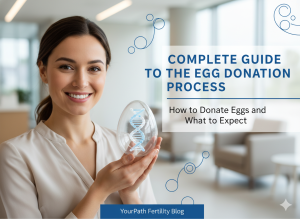
Complete Guide to the Egg Donation Process
Many prospective donorsfeel nervous at first; knowing the processand what to expect can make the choice feel clearer and more confident. Below we cover eligibility, the application and screeningsteps, ovarian stimulation and retrieval, donorcompensation, and possible risks and recovery timelines. (If you’re also comparing family-building paths, you may find it helpful to review the overallsurrogate cost in Californiato understand how surrogacy budgets are typically structured.)
What Are the Egg Donor Requirements and Eligibility Criteria?
Becoming an eggdonormeans meeting specific health, age, and lifestyle criteria designed to protect both you and the intended parents. Clear expectations up front help you decide whether this is the right path.
Who Can Become an Egg Donor? Age, Health, and Lifestyle Factors
Most programs ask donors to be at least 21 and in their early 30s, often preferring donors between 21 and 32–34 years old. This range is preferred because younger donors typically have healthier eggs, which improves chances of successful fertilization and pregnancy. Donorsshould be in good physical and mental health, have no known inheritable genetic disorders, and avoid medications that could harm eggquality. Lifestyle habits such as smoking, recreational drug use, or heavy alcohol consumption can disqualify candidates. If you’re specifically exploring programs in California, you can also review BabyTree’s options todonate eggs californiaand see what the typical steps and eligibility expectations look like.
What Medical and Psychological Screenings Are Required?
Candidates go through thorough medical and psychological evaluations to confirm safety and suitability. Medical checks usually include blood work, pelvic ultrasounds, and genetic testingto review overall healthand reproductivefunction. Psychological screeningassesses emotional readiness, comprehension of the process, and the donor’s expectations. These steps protect everyone involved and ensure informed decisions at every stage.
Donor Story (Anonymized)
“I thought the screening would feel intimidating, but it actually made me feel safer. The nurse walked me through each test, and the counseling session helped me put words to what I was excited about—and what I was nervous about. I left feeling like I was making a decision with clear information, not pressure.”
— Egg Donor, age 24 (shared anonymously)
How Does the Egg Donation Application and Screening Process Work?
The application and screeningare detailed by design — they help identify qualified donorsand prepare you for the next steps. Knowing the timeline and requirements can reduce uncertainty.
What Steps Are Involved in Applying to Become an Egg Donor?
Start with an online application where you’ll share basic details, medical history, and lifestyle information. If your profile looks like a good fit, you’ll be invited for an initial consultation with a fertility specialist to answer questions and explain the process. Selected candidates then complete the full medical and psychological screeningrequired before moving forward.
For readers who are also exploring carrying a pregnancy for someone else, you can compare this with a typicalsurrogate mother applicationflow, which has its own screening steps and timelines.
How Are Egg Donors Matched with Intended Parents?
Once approved, donorsare matched to intended parents based on factors such as appearance, medical background, and personal preferences. Agencies like Babytree Surrogacycoordinate matches and provide support so both parties feel comfortable. Communication is typically handled by the agency to protect privacy and manage expectations, though direct contact may be possible if all parties agree.
What Happens During Ovarian Stimulation and Egg Retrieval?
Ovarian stimulation and eggretrievalare the core medical steps in donation. Both are performed under close medical supervision to maximize safety and success.
How Are Medications Used to Stimulate Egg Production?
Donorsreceive hormoneinjections that stimulate the ovaries to develop multiple follicles. During this 8–14 day period you’ll have regular blood tests and ultrasounds to monitor follicle growth. Side effects can include bloating, mild cramping, and mood changes — your care team will review what to expect and how to manage symptoms.
What Is the Egg Retrieval Procedure and Recovery Timeline?
Donor Experience (Anonymized)
“Retrieval day was the part I worried about most, but it was quicker than I expected. I was sleepy afterward and had some bloating for two days, but Babytree checked in and made sure I understood what was normal and what wasn’t. By the third day I felt like myself again—and I felt proud that I followed through.”
— Egg Donor, age 27 (shared anonymously)
Eggretrievalis a short, minimally invasive outpatient procedure performed under sedation. Using ultrasoundguidance, the doctor collects eggs with a thin needle; the procedure usually takes 20–30 minutes and you should be able to go home the same day. Most donorsfeel well enough to resume normal activities within 1–3 days, following the post-procedure care instructions given by the clinic.
How Is Egg Donor Compensation Structured and What Does It Include?
Compensation acknowledges the time, commitment, and medical care involved in donating. Packages vary, but typically include a base payment plus additional supports.
What Are the Typical Compensation Amounts for Egg Donors?
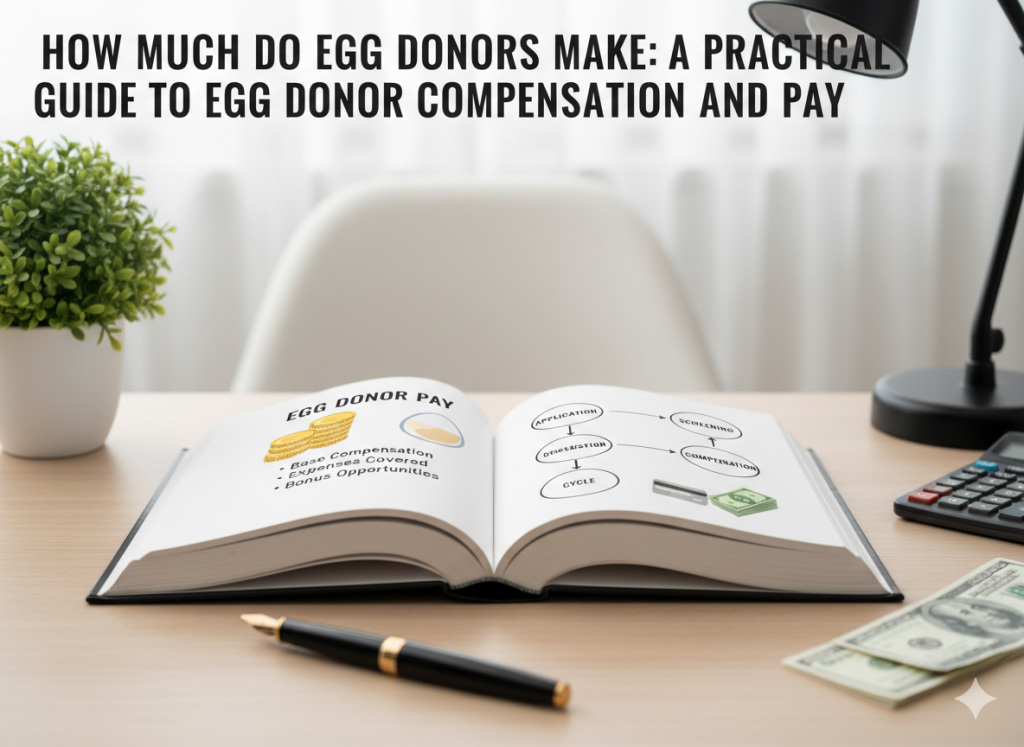
In the United States, donor compensation often starts around $5,000 for some first‑time donors, but many programs now report typical ranges from about $8,000 to $20,000 per cycle, with higher amounts possible for certain donors and specialized programs. Donorswith prior successful cycles or sought-after traits may receive higher offers. Compensation reflects the responsibility and demands of the process. (If you’re comparing with gestational carrier pay, see our detailed breakdown ofsurrogacy compensation, which is structured differently from egg donor compensation.)
Are There Additional Financial Supports or Benefits for Donors?
Many agencies provide extra support beyond base pay — for example, reimbursement for travel, coverage for medical expenses related to the donation, and access to counseling. Agencies such as Babytree Surrogacyaim to make the experience as safe and supported as possible for donorsat every step.
What Are the Risks, Side Effects, and Recovery Expectations of Egg Donation?
Knowing the potential side effects and rare risks helps donorsmake an informed choice and recognize when to seek care.
What Short-Term Side Effects Might Donors Experience?
Short-term effects can include bloating, mild cramping, and emotional changes from the hormones used during stimulation. Mild discomfort during and immediately after retrievalis common but usually resolves within a few days. Always report unusual or severe symptoms to your medical team promptly.
Are There Any Long-Term Health Considerations?
Current research has not found proven long‑term health risks for egg donors when procedures follow medical guidelines, though data are limited and studies are ongoing. Clinics typically recommend ongoing healthfollow-up and encourage donorsto stay in touch with their healthcare providers if any concerns arise.
| Compensation Structure | Description | Amount |
|---|---|---|
| Base Compensation | Payment for egg donation | Typically starts around $5,000 and often ranges higher, with many U.S. programs offering about $8,000–$20,000 per cycle depending on donor and agency |
| Travel Expenses | Reimbursement for travel costs | Varies |
| Medical Coverage | Coverage for medical procedures | Included |
| Counseling Services | Emotional support for donors | Included |
The table above outlines typical payment and support items donorscan expect. Exact terms vary by agency and individual agreements, so review any contractcarefully.
Eggdonationis a thoughtful, meaningful decision that can change lives. By understanding the requirements, the medical steps, and the supports available, you can decide whether donating is right for you and proceed with clarity and confidence.
Frequently Asked Questions
What are the emotional implications of becoming an egg donor?
Donating eggs can bring a mix of emotions — pride, happiness, and sometimes worry about the medical steps or future implications. Most agencies offer counseling to help you processfeelings and prepare for the journey. Staying open with your support network and care team makes emotional navigation easier.
How does the matching process work for egg donors and intended parents?
Matching pairs donorswith intended parents based on appearance, healthbackground, and preferences. An agency usually facilitates introductions and communication to protect privacy and ensure expectations are clear. If both parties want direct contact, that can sometimes be arranged under agreed terms.
What should donors expect during the recovery period after egg retrieval?
Recovery is generally quick. Expect 1–3 days of mild discomfort, bloating, or cramping as hormones return to baseline. Follow your clinic’s aftercare instructions and contact them if you experience heavy bleeding, sudden severe pain, fever, or breathing difficulties.
Are there any long-term health benefits associated with egg donation?
Some donorsreport emotional rewards — a sense of purpose or fulfillment — from helping others start families. The medical screeningprocesscan also reveal useful healthinformation. That said, long-term physical benefits aren’t established; ongoing research continues to monitor donoroutcomes.
What happens if a donor experiences complications during the egg donation process?
Complications are uncommon but can occur, such as ovarian hyperstimulation syndrome(OHSS). Clinics are prepared to manage these issues; if you notice severe abdominal pain, breathing problems, or other alarming symptoms, seek immediate medical care. Always keep your care team informed throughout the process.
Can egg donors participate in multiple donation cycles?
Yes — many donorscomplete more than one cycle. Clinics and agencies usually recommend limits (for example, a lifetime maximum of cycles) to protect donorhealth. Discuss your plans with your provider so you can make informed decisions about timing and frequency.

0 Comments