


PGT Testing in Surrogacy
Preimplantation Genetic Testing (PGT) is one of the most useful tools in modern reproductive medicine — especially for intended parents using surrogacy. This guide walks through what PGT is, the different types of testing, the practical benefits for intended parents, how the process works, and common costs and ethical questions. We know fertility journeys can be emotionally and financially complex; PGT can help by identifying embryos without certain genetic problems before transfer. Below, you’ll also see how Babytree Surrogacy supports families considering PGT as part of their surrogacy plan. If you’re still deciding whether surrogacy is the right path, start with our overview of gestational surrogacy to understand how IVF, embryo selection, and transfer typically work. Below, you’ll also see how Babytree Surrogacy supports families considering PGT as part of their surrogacy plan.
What is Preimplantation Genetic Testing and How Does It Support Surrogacy?
Preimplantation Genetic Testing (PGT) is performed during in vitro fertilization (IVF) to evaluate embryos for specific genetic issues before implantation. For gestational surrogacy, PGT helps intended parents choose embryos with a lower risk of certain genetic disorders, which can increase the chances of a healthy pregnancy and provide greater confidence during the surrogacy process.
Defining PGT and Its Role in Embryo Genetic Screening
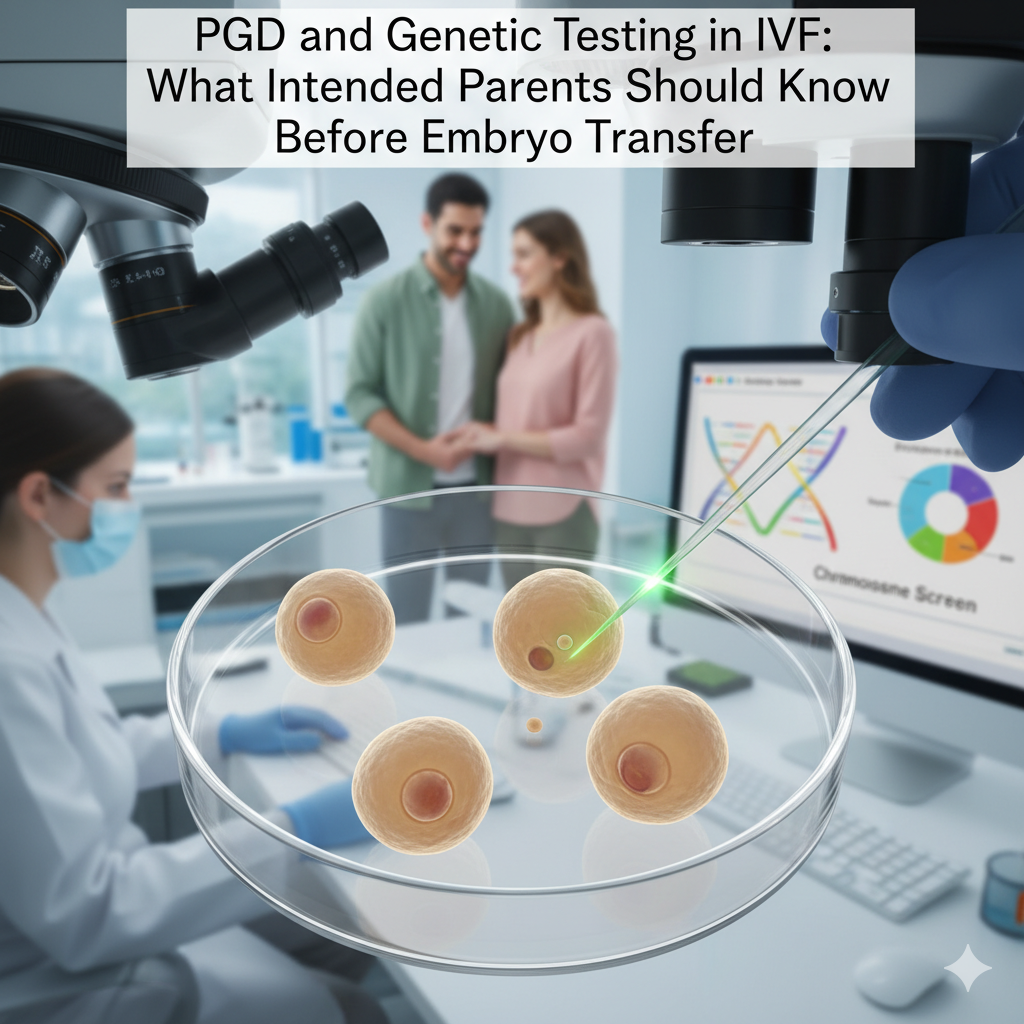
PGT means taking a small sample from an embryo created in the IVF lab and analyzing its DNA. That analysis can reveal chromosomal abnormalities or known genetic conditions, allowing intended parents and their care team to prioritize embryos with the best genetic profile for transfer. For many families, this reduces the likelihood of miscarriage and lessens the uncertainty that often accompanies fertility care.
How PGT Integrates with IVF and Gestational Surrogacy Processes
PGT fits into the IVF timeline in a straightforward way. After eggs are fertilized and embryos develop in the lab, clinicians typically biopsy a few cells from embryos that reach the blastocyst stage. Those samples are sent to a genetics lab, and the results guide which embryos are recommended for transfer to the surrogate. For a clearer picture of how embryos move from IVF creation to a surrogate transfer cycle, see our guide to the embryo transfer process.
When coordinated well, PGT can make the overall journey more efficient and better aligned with your family’s medical and emotional goals — and this coordination is built into Babytree’s step-by-step surrogacy process.
What Are the Different Types of PGT and Their Specific Purposes?

Different Types of PGT and Their Specific Purposes
PGT comes in three main varieties—PGT-A, PGT-M, and PGT-SR—each targeting different genetic concerns, with selection based on your medical history and goals.
Understanding PGT-A: Screening for Chromosomal Abnormalities in Embryos
PGT-A (Preimplantation Genetic Testing for Aneuploidy) evaluates embryo chromosomes for the correct number. Aneuploidy (too many or too few chromosomes) commonly causes implantation failure and miscarriage, so PGT-A identifies euploid embryos to boost sustained pregnancy chances, especially when normal karyotype is key.
Exploring PGT-M: Detecting Single Gene Disorders for Inherited Diseases
PGT-M (Preimplantation Genetic Testing for Monogenic Disorders) screens for specific inherited single-gene conditions when a parent or family member carries a known change. This testing is especially valuable for families with a documented genetic risk, because it allows selection of embryos not affected by that particular disorder. If you’re at the “do we carry anything we should test for?” stage, learn how clinics typically evaluate risk with genetic carrier screening before finalizing a PGT-M plan.
PGT-M provides a targeted option when a specific genetic condition is known or suspected — a meaningful choice for many families.
PGT-M for Monogenic Disorders
PGT-M is in theory available for any monogenic disorder or single gene defects (PGT-M), even though genetic testing of single or few cells is quite challenging.
What is PGT-SR and How Does It Address Structural Chromosomal Rearrangements?
PGT-SR (Preimplantation Genetic Testing for Structural Rearrangements) identifies embryos with structural changes in chromosomes, such as translocations or inversions. These rearrangements can affect embryo viability or lead to pregnancy complications. Screening for structural issues helps intended parents make more informed choices about which embryos to move forward with.
What Are the Benefits of PGT Testing in Surrogacy for Intended Parents?
PGT offers several practical benefits that many intended parents find valuable as part of a surrogacy journey.
- Lower risk of miscarriage: By prioritizing embryos without detectable chromosomal errors, PGT-A can significantly reduce the chance of miscarriage especially for advanced maternal age or recurrent loss cases — bringing more hope and clarity to the path to parenthood.
- Potential improvement in live birth rates: For certain patient groups, selecting genetically normal embryos via PGT-A can increase the likelihood of a successful pregnancy and live birth per transfer.
- Particularly useful for LGBTQ+ families and international clients: PGT can provide added reassurance for families navigating complex clinical and logistical planning, including cross-border coordination for international intended parents.
If you want personalized guidance on whether PGT fits your plan, Babytree can walk you through options during a free consultation.
How Does PGT Reduce Miscarriage Risk and Improve Live Birth Rates?
Studies show PGT can reduce miscarriage rates in selected groups — for example, people of advanced maternal age or those with repeated pregnancy loss. While results vary by situation, the fundamental benefit of PGT is selecting embryos without certain genetic abnormalities, which studies show can increase the chances of a sustained, healthy pregnancy.
Why Is PGT Especially Important for LGBTQ+ Families and International Clients?
For LGBTQ+ families and international intended parents, PGT offers added clarity about embryo health before transfer. That clarity can simplify decision-making across different legal systems and clinical settings, help avoid unexpected complications, and support smoother coordination between clinics, agencies, and families.
How Is the PGT Testing Process Conducted During Surrogacy?
The steps involved in PGT are precise and performed by experienced teams to protect embryo integrity while gathering the information you need.
What Happens During Embryo Biopsy and Genetic Analysis?
At the blastocyst stage (day 5-6), an embryologist removes 5-10 trophectoderm cells from the embryo (outer layer, not inner cell mass) in a controlled lab setting. Those cells are sent to a genetics lab for analysis to check for chromosomal or specific genetic issues. Labs use advanced techniques to minimize risk to the embryo and provide accurate results that inform which embryos are best suited for transfer.
How Does Genetic Counseling Support PGT Decision-Making?
Genetic counselors are a key part of the PGT process. They explain testing options, interpret results, discuss possible outcomes, and help you weigh choices based on medical facts and your family’s values. Counseling makes a difficult process more manageable and ensures intended parents feel informed and supported (see our FAQ).
Research shows counseling matters: people choose PGT for many reasons, including preventing serious inherited conditions and addressing family medical history — and counseling helps them navigate those choices.
PGT User Experiences, Motivations & Counseling
The decision to undergo preimplantation genetic testing (PGT) entails a variety of personal and societal variables. The primary considerations in choosing PGT were prevention of birth of a child who would suffer a terminal or chronic disease as well as abrogation of a familial genetic condition. This survey broadens understanding of the specialized needs of women, couples, and minority groups undergoing PGT and underscores the relevance of counseling services for PGT users.
What Are the Costs, Risks, and Ethical Considerations of PGT Testing?

Costs, Risks, and Ethical Considerations of PGT Testing
Before moving forward, intended parents should understand typical costs, the potential risks, and the ethical questions that often arise with embryo genetic screening.
How Do PGT-A and PGT-M Costs Compare and What Is Included?
PGT pricing depends on the test, clinic, and lab. As a general range, PGT-A is often $3,000–$7,000, while PGT-M commonly runs $5,000–$12,000 due to custom probe/test development in many cases. Fees may include biopsy, lab analysis, and genetic counseling, but inclusions vary—so it’s important to compare itemized quotes and timelines.
For broader budgeting alongside IVF, agency, and legal expenses, reference Babytree’s surrogacy cost guide.
What Are the Potential Risks Like Embryo Damage and False Results?
PGT is widely used and generally safe, but it carries risks: biopsy may (rarely) (<1%) harm an embryo, and testing can produce false positives or negatives. Discuss these possibilities with your clinic and genetic counselor so you understand the limits of testing and the range of outcomes.
What Ethical Questions Arise from Embryo Genetic Screening?
PGT raises important ethical discussions: concerns about selecting for medical risks but also potential nonmedical traits, the potential for genetic discrimination or eugenics, and how embryo selection aligns with personal values and equity. These are valid conversations for intended parents, clinicians, and counselors to have as they decide whether PGT fits their family’s priorities. If you want a bigger-picture checklist that covers medical decisions and planning conversations, see our intended parents guide.
PGT in Surrogacy: Real Success Stories from Intended Parents
“After years of heartbreaking failed treatments, partnering with BabyTree Surrogacy was the turning point for our family. From our first call, the team explained every step clearly —including PGT options and clinic coordination —and matched us with a surrogate who shared our values… Even though we live overseas, updates were frequent… Walking out of the hospital with our baby in our arms still feels surreal, and we’re deeply grateful for how supported we felt the entire journey.” — Intended Parents (international couple)
“The coordinators checked in on me constantly, made sure I understood every medical and legal step, including the IVF and embryo transfer process with genetic testing. …Knowing I helped another family become complete is one of the proudest moments of my life, and I always felt protected, heard, and appreciated.” — Surrogate (anonymous)
“We talked to several agencies, but chose BabyTree Surrogacy because they were transparent about costs, timelines, and screening from day one. Our case manager coordinated with the clinic for embryo screening (PGT) and transfer so we didn’t have to chase paperwork or updates. What could have been a stressful… experience became organized and surprisingly calm.”— Intended Parents (U.S. couple)
Why Choose Babytree Surrogacy for PGT Testing in Your Surrogacy Journey?
Babytree Surrogacy is focused on helping intended parents navigate PGT alongside the broader surrogacy process.
How Does Babytree Coordinate with Fertility Clinics for PGT Services?
We work closely with trusted fertility clinics, reproductive endocrinologists, genetics labs to arrange PGT testing, coordinate biopsy and transfer timing, and connect you with genetic counseling. That collaboration aims to make the technical and logistical parts of PGT as smooth as possible, so you can focus on the parts of the journey that matter most.
What Success Stories Highlight Babytree’s Expertise in PGT and Surrogacy?
Babytree has supported many intended parents through PGT and surrogacy, and our families often share how coordinated care, clear communication, and compassionate guidance helped them reach their goals. Those stories reflect our commitment to personalized support that respects each family’s needs.
Frequently Asked Questions
What is the ideal timing for undergoing PGT during the IVF process?
PGT is typically done after fertilization but before embryo transfer. Most clinics wait until embryos reach the blastocyst stage, around day 5 or 6, then biopsy a few cells for testing. This timing gives a reliable sample while still leaving time to plan a transfer or embryo freeze.
Are there any age-related factors that influence the decision to use PGT?
Yes. Maternal age is a common consideration: people over about 35 have a higher chance of chromosomal errors in embryos, so PGT-A is often recommended in that context. PGT may also be considered after multiple pregnancy losses or when a known genetic condition exists in the family.
How does PGT impact the emotional well-being of intended parents?
PGT can reduce anxiety by offering clearer information about embryo health, but it can also introduce emotionally difficult decisions when embryos test positive for a condition. Access to genetic counseling and emotional support helps intended parents process results and decide what’s right for their family.
What role does genetic counseling play in the PGT process?
Genetic counselors explain what tests can (and cannot) tell you, review results in plain language, and help you weigh options based on medical facts and your values. Their guidance is especially important for interpreting complex results and planning next steps.
Can PGT be used for all genetic conditions?
Not for all conditions. PGT-A screens for chromosomal abnormalities, while PGT-M targets specific single-gene disorders when the family’s mutation is known. Whether a particular condition can be tested depends on available genetic testing methods and the specifics of the family’s genetic information.
What are the long-term implications of using PGT for intended parents?
Long-term, PGT can mean fewer unexpected genetic diagnoses and a lower chance of miscarriage for some families. It also invites ethical reflection about embryo selection and may influence future family planning decisions. Considering both the medical benefits and the personal or ethical implications — with counseling and trusted clinical advice — helps intended parents make choices they’re comfortable with.






0 Comments