

Deciding to sell your eggs is a big, personal choice — one that can change lives for intended parents and for you. This guide walks you through what to expect: who qualifies, the step-by-step donation process, typical compensation, and how Babytree supports donors every step of the way. We also answer common safety and emotional questions so you can feel informed and confident if you choose to move forward.

How to Sell My Eggs
What Are the Egg Donor Requirements to Sell My Eggs?
What Age and Health Criteria Must Egg Donors Meet?
Most programs look for donors in their early 20s to early 30s, often between 21 and 32 years old, because eggs from younger donors usually offer better chances for a successful pregnancy. Donors must also meet basic health standards, including:
- BMI Requirements: Many programs require a Body Mass Index (BMI) in roughly the 18–30 range to support health and successful outcomes.
- Health Conditions: Donors should not have major medical or genetic conditions, chronic illnesses, or known reproductive health issues.
These criteria help protect both the donor’s health and the chances of a healthy pregnancy for intended parents.
How Does Genetic Screening and Lifestyle Assessment Affect Eligibility?
Genetic screening and lifestyle review are essential parts of donor evaluation. Genetic tests look for inherited conditions that could affect a child, while lifestyle factors can influence egg quality and overall suitability.
The screening typically includes:
- Genetic Testing: Screening for inherited disorders that could be passed to offspring.
- Lifestyle Evaluation: A review of habits—smoking, substance use, alcohol, diet, and exercise—that can affect fertility and egg health.
Together, these checks help ensure donors provide the best possible chances for intended parents.
What Is the Step-by-Step Egg Donation Process?
How Do I Apply and Undergo Initial Screening?
Your journey starts with an application and a detailed health and lifestyle questionnaire. If your application moves forward, the initial screening usually involves:
- Medical Evaluation: A full health exam by a clinician to review your medical history and overall wellness.
- Blood Tests: Screenings for infectious diseases, hormone levels, and genetic markers.
- Ultrasound: Imaging to check ovarian health and reproductive anatomy.
If you’re exploring programs and timelines in California specifically, you can also review Babytree’s overview here: donate eggs california.
This step confirms your eligibility and sets the foundation for a safe donation process.
What Happens During Ovarian Stimulation and Egg Retrieval?
After approval, you’ll begin ovarian stimulation to encourage multiple egg development. That process includes:
- Hormonal Medications: Daily hormone injections for about 8–14 days to stimulate the ovaries.
- Monitoring: Frequent blood draws and ultrasounds to track your response and time the retrieval.
When your eggs are ready, a brief outpatient procedure — egg retrieval — collects them under sedation or light anesthesia. You’ll receive clear aftercare instructions and monitoring to ensure a smooth recovery.
Donor Experience (Anonymized)
“I was most nervous about the injections and the retrieval, but the monitoring appointments made me feel reassured. Babytree’s coordinator checked in constantly, and the clinic explained every step before it happened. Retrieval day was quick—I went home the same afternoon and felt mostly back to normal within a couple of days.”
— Egg Donor, age 26 (shared anonymously)
How Much Compensation Can I Expect as an Egg Donor?
What Is the Base Compensation and Covered Expenses?
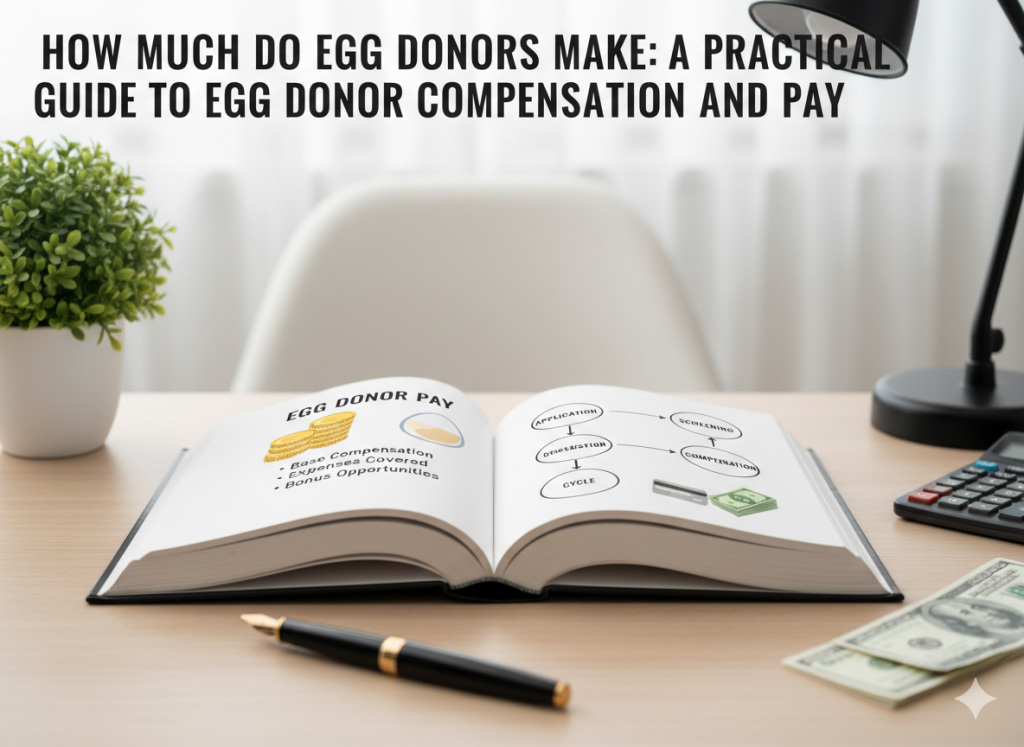
Base compensation for egg donation in the United States often starts around $5,000 for some programs, but many agencies now advertise typical ranges of about $8,000 to $20,000 per cycle, with higher amounts possible for certain donors and specialized programs. Many programs also cover related costs, such as:
- Travel Costs: Reimbursement for trips to appointments when needed.
- Medical Expenses: Coverage for tests and procedures tied to the donation process.
That structure recognizes the time, effort, and medical commitment involved in donating.
Are There Referral Bonuses and Tax Implications?
Some agencies, including Babytree, offer referral bonuses if you refer someone who successfully joins their program. Specific bonus amounts and eligibility rules can vary by program and may differ for surrogates versus egg donors, so it’s important to confirm current details directly with your coordinator. Regarding taxes, compensation for egg donation is typically treated as taxable income in the United States; we recommend speaking with a tax professional for advice specific to your situation.
Why Should I Choose Babytree Surrogacy for Egg Donation?
What Ethical Standards and Support Does Babytree Provide?
Donor Perspective on Support
“What mattered most to me was having boundaries and clarity. The counseling session helped me process the emotional side, and the contract review made me feel protected. I never felt pressured—if I had questions, they answered them honestly and gave me time to decide.”
— First-time Egg Donor (shared anonymously)
Babytree follows strict ethical practices and places donor safety and dignity first. We provide comprehensive support throughout the process, including:
- Counseling Services: Professional counseling to help you process emotions, weigh decisions, and prepare for the experience.
- Legal Guidance: Clear contracts and access to legal support so you understand your rights and protections.
If you’re comparing providers, it may help to start with an overview of Babytree as a surrogacy agency california (many intended parents explore both egg donation and surrogacy options while building their plan).
Our protocols are designed to protect both donors and intended parents and to make the process respectful and transparent.
How Do Donor Stories and Local Support Reflect Babytree’s Commitment?
We value donor experiences and often share real stories (with permission) to highlight the meaningful impact donation can have. Babytree also offers local resources and community events so donors can connect, get support, and feel part of a caring network.
That community focus is part of how we support donors beyond the clinic.
What Are Common Questions About Selling My Eggs?
Is Egg Donation Safe and What Are the Risks?
Egg donation is generally safe for most donors, but like any medical procedure it carries some risks. Common concerns include:
- Ovarian Hyperstimulation Syndrome (OHSS): A reaction to fertility medications that can cause bloating, discomfort, and, in rare cases, more serious symptoms.
- Surgical Risks: Risks tied to anesthesia and the retrieval procedure, such as infection or bleeding.
Your care team will explain these risks and monitor you closely to reduce complications.
How Does Egg Donation Affect Future Fertility and Donation Frequency?
Current research suggests egg donation does not typically harm long-term fertility. Most donors can conceive naturally after donation, though clinicians often advise waiting 3–6 months before trying to become pregnant to allow your body to recover.
As for frequency, many programs limit donors to about six cycles over a lifetime, in line with widely cited professional guidelines aimed at protecting long‑term reproductive health.
| Compensation Type | Description | Amount |
|---|---|---|
| Base Compensation | Payment for completing a donation cycle | $5,000 – $10,000 |
| Travel Expenses | Reimbursement for travel to appointments when necessary | Varies |
| Referral Bonus | Bonus for referring eligible donors | $500 – $1,000 |
Choosing to donate eggs is a meaningful decision with practical and emotional considerations. By understanding eligibility, the medical steps, and the support Babytree provides, you can make an informed decision that feels right for you. Whether your motivation is to help build families or to receive compensation, many donors find the experience rewarding.
Frequently Asked Questions
What Are the Psychological Implications of Egg Donation?
People report a range of emotions after donating — pride and fulfillment are common, but some donors also experience unexpected feelings like curiosity or ambivalence about genetic ties. Counseling is an important part of the process; talking with a professional before and after donation helps you prepare emotionally and process any reactions that arise.
Can I Choose the Recipients of My Eggs?
Most donors do not directly choose recipients. Agencies handle matching to meet the needs and preferences of intended parents and to follow medical guidelines. Some programs do allow donors to learn about or meet intended parents depending on the arrangement; clarify these options with your coordinator before you proceed.
What Should I Expect During the Recovery Period After Egg Retrieval?
Recovery is usually quick. Expect mild cramping, bloating, or fatigue for a few days, which over-the-counter pain relievers and rest can manage. Follow your medical team’s aftercare instructions, avoid strenuous activity for a short period, and contact your provider if you experience severe pain, heavy bleeding, or fever.
Are There Age Limits for Egg Donation?
Yes — most programs prefer donors aged 21–32 because egg quality generally declines with age. Some clinics may consider donors slightly outside that range in special cases, but this is less common.
What Are the Legal Considerations for Egg Donors?
Donors sign legal agreements that spell out compensation, confidentiality, parental rights, and other responsibilities. It’s important to review these contracts carefully and, when possible, seek independent legal advice so you fully understand the terms and protections in place.
How Does Egg Donation Impact My Health Insurance?
Insurance coverage varies. Some policies won’t cover donation-related procedures, so check with your insurer up front. Many agencies will reimburse or cover specific medical costs connected to donation; confirm what’s included before you begin so you’re clear about any out-of-pocket expenses.



0 Comments