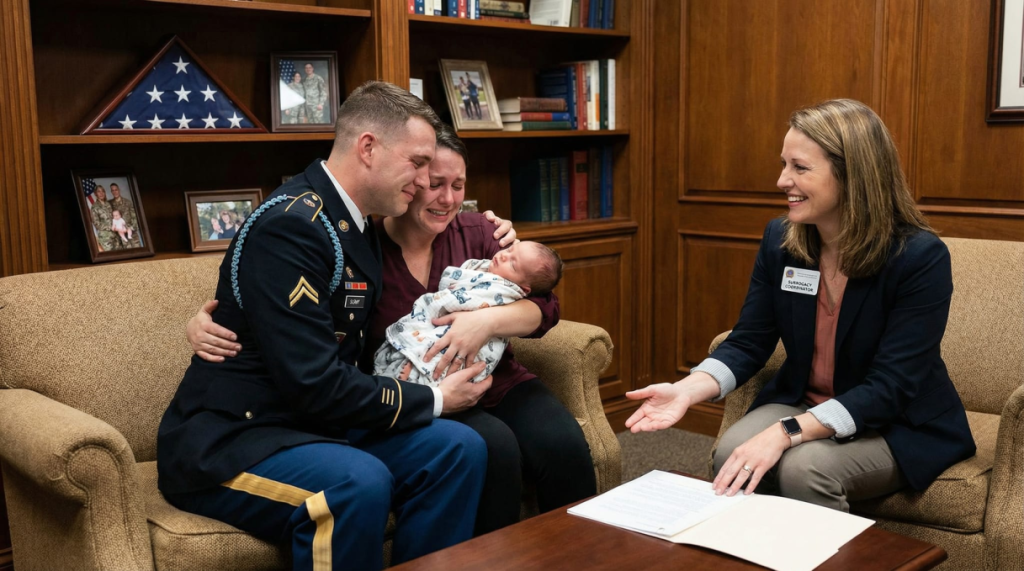
For many couples wishing to complete their family with a baby, surrogacy can be the answer for making this dream come true. However, because the Intended Parents do not physically carry the baby through pregnancy in gestational surrogacy, one common worry among Intended Parents is they will not be able to bond with their baby as they would through a traditional pregnancy. If bonding with your baby is a concern, never fear – you are not alone! Consider the following tips other Intended Parents have found helpful for bonding with their new baby before and after coming home from the hospital as a family:

Be involved with your Surrogate. If your Surrogate lives nearby and you are both comfortable with it, consider attending doctor appointments together so you can see your baby’s growth and progress along with her. If your Surrogate is out of state or this is otherwise not an option, consider sending text or email pictures and updates.
Prepare your nursery. Having a ready-to-go and pleasant space before baby arrives will not only relieve some stress, it will also reinforce that your dream is finally coming true while giving you some wonderful one-on-one quality time with your partner.
Baby-proof your home. Keeping your home safe for your new family member will be an ongoing process and it is best to begin before he or she arrives. Be sure to install cabinet locks, outlet covers and keep an eye out for any potential choking hazards.
Skin-to-skin contact. Newborn babies bond almost solely through touch and smell. As you cuddle and hold your baby close, you will both begin to bond with each other and learn each other’s cues and expressions.
Interaction and response. Talk to your baby, make eye contact, and smile. This will help aid in brain growth and development as well as strengthen your bond together!
Be patient. It can take time for you to attach to your new baby or for your baby to attach to you. Give your baby (and yourselves!) time to adjust to each other and understand that attachment and bonding will eventually happen naturally.
Work with your agency. Your surrogate agency has seen and experienced every joy and bump on the surrogacy journey – including bonding! If you have questions or are uncertain about something, do not hesitate to reach out to your expert surrogacy team!

While bonding with your baby may take a slightly different approach when it comes to Intended Parents and Surrogacy, taking the proper time and preparation will help you build a strong and permanent bond with your new baby and family. The team of caring and experienced surrogacy experts at Surrogate Solutions prides itself on helping families make their dreams of having a baby together come true.
Wondering if a surrogate shares DNA with the baby? Discover how gestational and traditional surrogacy differ genetically, the role of egg donors, and what it means for legal parentage. Learn the key steps in the surrogacy process, how intended parents are matched with surrogates, and what genetic parenting means for your family-building journey.
Wondering what happens at a surrogate's first OB visit? Learn what tests and screenings to expect, how the OB evaluates health and pregnancy status, what documents to bring, and how intended parents can participate. Discover how Baby Tree Surrogacy supports surrogates and intended parents through every step of the prenatal care process.
Discover how the surrogate matching process works—from initial consultation and surrogate screening criteria to compatibility assessment and legal clearances. Learn what timelines to expect, how egg donor matching fits in, and what emotional and legal support intended parents receive at every stage of their surrogacy journey with Babytree Surrogacy.
Not sure how to choose the right surrogacy agency? This guide covers the 10 most important questions every intended parent should ask—from surrogate screening and legal protections to cost transparency, international case experience, and postpartum support—so you can confidently find an agency that truly fits your needs and values at every stage of your journey.
Understand the full surrogacy timeline month by month—from your initial agency consultation and surrogate matching to IVF, embryo transfer, pregnancy monitoring, and delivery. Learn what to expect at each stage, how long each phase takes, key legal steps, postpartum care, and how to prepare emotionally and financially for your surrogacy journey.
Discover how surrogacy support groups help surrogates and intended parents navigate their journey. Learn about peer communities, online forums, virtual meetups, agency services, coordinators, postpartum care, and mentorship programs. Find practical advice, emotional support, and connect with others who understand your experience.
Discover proven bonding techniques for intended parents after surrogacy—from skin-to-skin contact and responsive feeding to emotional preparation and post-birth support. Learn practical newborn care strategies, ways to manage complex feelings, considerations for diverse families (LGBTQ+, single parents, international parents), and how Baby Tree Surrogacy helps you build a secure connection with your baby from day one.
bonding with baby after surrogacy, southern california surrogacy intended parents, california surrogacy stories, becoming parents through surrogacy 2026, surrogacy san francisco
Understanding the Surrogacy Journey
The surrogacy journey can be both exciting and daunting for intended parents. It involves multiple steps, including selecting a surrogate, legal agreements, and preparing for the arrival of the baby. Understanding this journey helps parents navigate the emotional and logistical aspects of surrogacy.
From initial consultations with surrogacy agencies to the final stages of welcoming your newborn, each phase requires careful planning and emotional readiness. Engaging with professionals who specialize in surrogacy can provide valuable insights and support, ensuring that intended parents feel confident and informed throughout the process.
Building a Connection with Your Surrogate
Establishing a strong relationship with your surrogate is essential for a successful surrogacy experience. Open communication and mutual respect can help foster a supportive environment, which benefits both the surrogate and the intended parents.
Regular check-ins, sharing experiences, and discussing expectations can enhance the bond between you and your surrogate. Many intended parents find that forming a friendship with their surrogate not only eases anxiety but also enriches the overall experience, making the journey more meaningful for everyone involved.
Preparing for Your Baby's Arrival
Preparation for your baby's arrival goes beyond setting up a nursery; it includes emotional readiness and establishing routines that facilitate bonding. Intended parents should consider attending parenting classes and engaging in discussions about the early days of parenthood.
Creating a welcoming environment for your newborn involves planning for both practical needs, such as baby supplies and healthcare, and emotional support systems, including family and friends who can assist during the transition. This holistic approach ensures that parents feel equipped to nurture their newborn from day one.
Post-Birth Bonding Techniques
Once your baby arrives, implementing effective bonding techniques is crucial for developing a strong emotional connection. Strategies such as skin-to-skin contact, responsive feeding, and spending quality time together can significantly enhance the bonding experience.
Research shows that engaging in these practices not only promotes attachment but also supports the baby’s emotional and physical development. Exploring ways to create a nurturing environment, such as reading to your baby or singing lullabies, can further strengthen the parent-child bond in the early days and beyond.
bonding with baby after surrogacy, southern california surrogacy intended parents, california surrogacy stories, becoming parents through surrogacy 2026, surrogacy san francisco
Understanding the Surrogacy Journey
The surrogacy journey can be both exciting and daunting for intended parents. It involves multiple steps, including selecting a surrogate, legal agreements, and preparing for the arrival of the baby. Understanding this journey helps parents navigate the emotional and logistical aspects of surrogacy.
From initial consultations with surrogacy agencies to the final stages of welcoming your newborn, each phase requires careful planning and emotional readiness. Engaging with professionals who specialize in surrogacy can provide valuable insights and support, ensuring that intended parents feel confident and informed throughout the process.
Building a Connection with Your Surrogate
Establishing a strong relationship with your surrogate is essential for a successful surrogacy experience. Open communication and mutual respect can help foster a supportive environment, which benefits both the surrogate and the intended parents.
Regular check-ins, sharing experiences, and discussing expectations can enhance the bond between you and your surrogate. Many intended parents find that forming a friendship with their surrogate not only eases anxiety but also enriches the overall experience, making the journey more meaningful for everyone involved.
Preparing for Your Baby's Arrival
Preparation for your baby's arrival goes beyond setting up a nursery; it includes emotional readiness and establishing routines that facilitate bonding. Intended parents should consider attending parenting classes and engaging in discussions about the early days of parenthood.
Creating a welcoming environment for your newborn involves planning for both practical needs, such as baby supplies and healthcare, and emotional support systems, including family and friends who can assist during the transition. This holistic approach ensures that parents feel equipped to nurture their newborn from day one.
Post-Birth Bonding Techniques
Once your baby arrives, implementing effective bonding techniques is crucial for developing a strong emotional connection. Strategies such as skin-to-skin contact, responsive feeding, and spending quality time together can significantly enhance the bonding experience.
Research shows that engaging in these practices not only promotes attachment but also supports the baby’s emotional and physical development. Exploring ways to create a nurturing environment, such as reading to your baby or singing lullabies, can further strengthen the parent-child bond in the early days and beyond.
0 Comments