
Article
Donor Egg Success Rates: What to Expect
Published

Donor‑egg IVF can be an effective option, but reported success depends on the outcome measured, the patient group, the clinic, and the reporting year. Babytree Surrogacy offers consultations to discuss donor‑egg and gestational‑surrogacy options.
The IVF with donor eggs success rate depends on donor age, egg quality, and clinic protocols rather than the intended parent’s age. Donors undergo rigorous medical screening beforehand. Babytree Surrogacy connects intended parents with pre‑screened egg donors, helping families understand donor selection and screening. Screening cannot guarantee embryo development, pregnancy, or live birth.
Key Takeaways
- Compare donor‑egg outcomes using the same measure—preferably live birth per transfer—and the same reporting year.
- The number of eggs needed varies; ask the clinic to explain expected embryo yield and its cycle‑specific plan.
- Donor egg success depends on multiple factors including egg quality, fertilization rates, and embryo viability throughout the cycle.
- Babytree Surrogacy’s team guides intended parents through donor egg options with consultations and transparent planning.
What Are Donor Egg IVF Success Rates?
Donor‑egg IVF may improve the chance of a live birth for some intended parents, but it is not accurate to assign one universal success rate or call it the highest‑performing treatment in every setting. Published outcomes differ by reporting year, clinic, egg source, embryo development, and whether the denominator is a retrieval, thaw, transfer, or started cycle. Use the CDC ART Success Rates report and SART National Summary for the relevant year and cycle type when comparing options.
Even so, success is never promised on a single attempt. Comparisons across treatments require the same outcome definition and patient population. Outcomes still vary by clinic, embryo quality, and individual health factors. No responsible provider can promise a baby on the first transfer.
Does using donor eggs guarantee a successful pregnancy?
A donor‑egg cycle does not guarantee pregnancy or live birth. Ask which rate the clinic is quoting and what happens if no embryo is available for transfer.
How does Babytree support intended parents through this process?
Babytree’s Egg Donor Program connects intended parents with carefully screened donors, so embryos carry no biological link to the surrogate carrying the pregnancy. Babytree can help intended parents ask which medical, genetic, and psychological checks are completed before matching and which are finalized by the treating clinic before treatment. Screening supports informed decisions but does not predict an individual outcome.
How Are Donor‑Egg Success Rates Measured?
Clinical pregnancy, ongoing pregnancy, and live birth are different outcomes. A pregnancy rate can be higher than a live‑birth rate, so those figures should not be presented as equivalent. The denominator also matters: a rate per embryo transfer excludes cycles that never reach transfer, while a rate per started cycle includes them. Ask whether the report covers fresh or frozen donor eggs, how many cycles it includes, and which reporting year is shown. For decision‑making, compare live births using the same denominator and patient group.
How Many Donor Egg Cycles Are Needed?

No single number of cycles fits every intended parent. Some cycles do not produce a transferable embryo, and a transfer may not lead to a live birth. Ask the clinic to explain expected outcomes and the costs and decisions involved if another cycle is needed.
Egg quantity matters, but more eggs do not guarantee more usable embryos or a live birth. Ask the clinic how many mature eggs, fertilized eggs, blastocysts, and transfers it expects in your situation.
Fresh and frozen donor‑egg outcomes should be compared using clinic‑specific live‑birth data, the number of eggs available, and the same denominator. A single patient story cannot establish the expected outcome for either option.
Does it always take multiple cycles to succeed?
Not always, but many intended parents plan for more than one attempt. Building in that expectation from the start prevents financial and emotional strain if the first cycle doesn’t result in pregnancy.
How can intended parents manage the cost of multiple cycles?
Before budgeting for another cycle, ask the clinic and agency for their written terms on canceled cycles, replacement donors, rematching, and payment milestones. Babytree’s public statement about agency fees after surrogate medical clearance should not be assumed to cover donor-egg treatment costs.
What Do CDC and SART Donor‑Egg Reports Show?
The CDC’s ART Success Rates report and SART’s National Summary publish assisted‑reproduction outcomes by reporting year and treatment category. Select donor‑egg or donor‑embryo data that matches the proposed treatment, then distinguish live birth per transfer from outcomes per retrieval or started cycle. National averages cannot predict an individual’s result; clinic results and patient factors still matter. Before citing a numerical percentage, record the source, year, cycle type, outcome, and denominator together. Ask the treating clinic to explain its own audited donor‑egg outcomes in those terms.
How Can Babytree Support Your Journey?
Babytree Surrogacy combines structured program protections, hands‑on regional support, and experience supporting many family‑building journeys through gestational surrogacy and egg donation. Intended parents facing donor egg IVF or surrogacy for the first time often carry the fear of a failed match derailing months of planning and emotional investment. Babytree’s coordination and local support can help families plan for setbacks, but cannot eliminate medical, matching, or financial risk.
What happens if a surrogate match falls through?
If a surrogate match does not proceed, ask Babytree which rematch terms apply to the specific program and contract. A rematch provision does not necessarily cover donor-egg cycles, clinic fees, or all repeat expenses, and it cannot remove the emotional impact of a failed match.
Where does support happen in person?
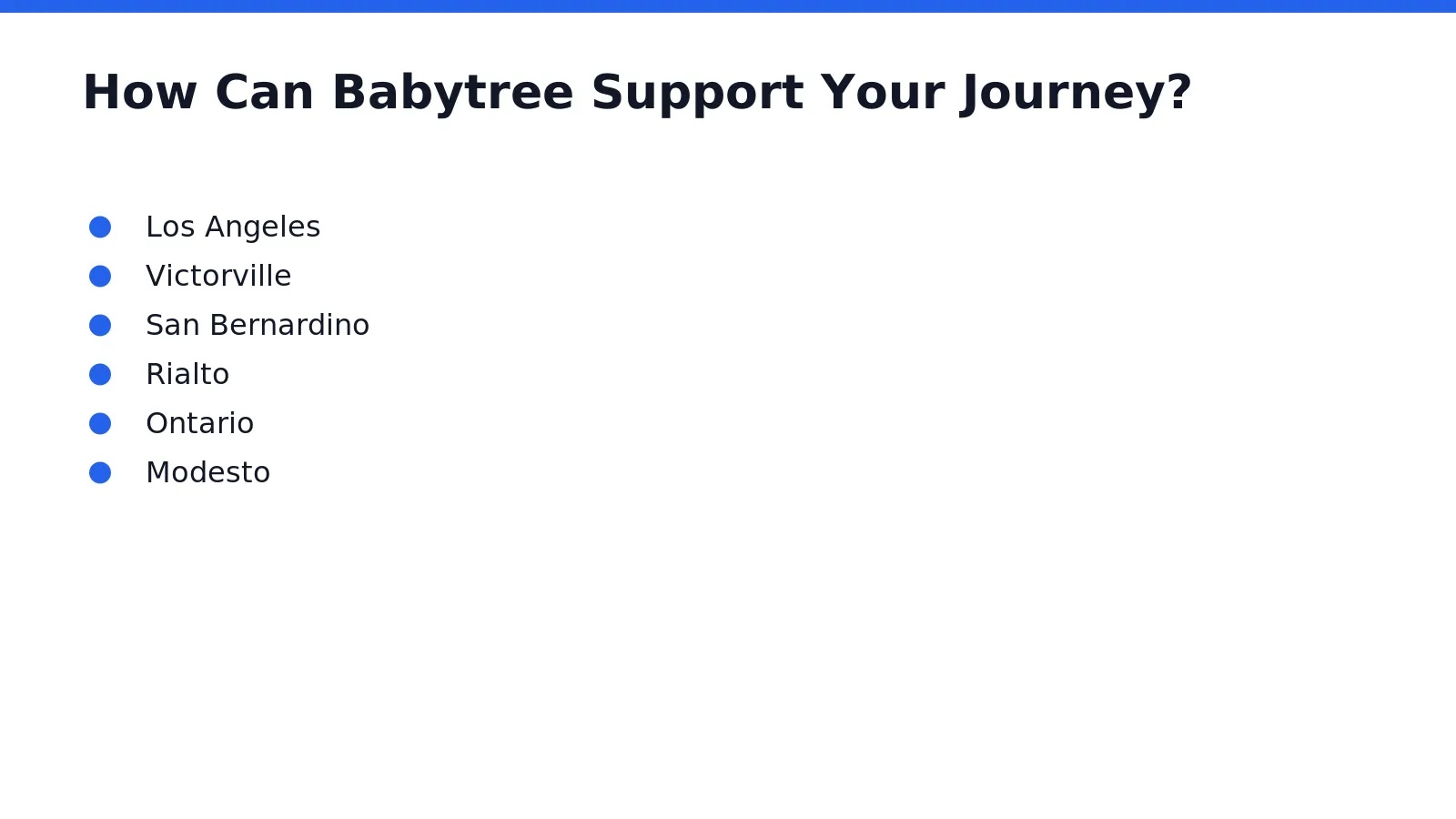
Support isn’t limited to phone calls and portals. Babytree Surrogacy serves clients in multiple California communities, giving intended parents access to local guidance across:
- Los Angeles
- Victorville
- San Bernardino
- Rialto
- Ontario
- Modesto
That regional footprint means questions get answered by staff familiar with the process.
Parents ready to explore options can start with a consultation, a no‑cost first step toward clarifying the path ahead.
FAQ
Do donor egg IVF success rates guarantee a live birth?
No fertility treatment guarantees a live birth, including donor‑egg IVF. Compare audited live‑birth outcomes for the relevant clinic, reporting year, cycle type, and denominator.
Why Do Donor‑Egg Cycles Fail?
A cycle can stop before transfer if eggs do not survive thawing, fertilization fails, or embryos do not develop as expected. A transferred embryo may also fail to implant, or a pregnancy may not result in a live birth. Your clinic can review the stage at which a cycle failed and whether a different donor, protocol, or transfer plan is appropriate; no single cause applies to every case.
Conclusion
Donor egg success rates reflect the power of combining advanced reproductive science with personalized support throughout your journey. Whether you’re considering donor eggs, gestational surrogacy, or both, understanding these outcomes empowers you to make informed decisions with confidence. Babytree Surrogacy aims to stand beside you at every step, providing comprehensive guidance and compassionate care as you build your family. Your path to parenthood deserves clarity, respect, and expert coordination.
Ready to start your journey?
Whether you're building your family or ready to help one grow, the first conversation is free.