Understanding the Surrogacy Process
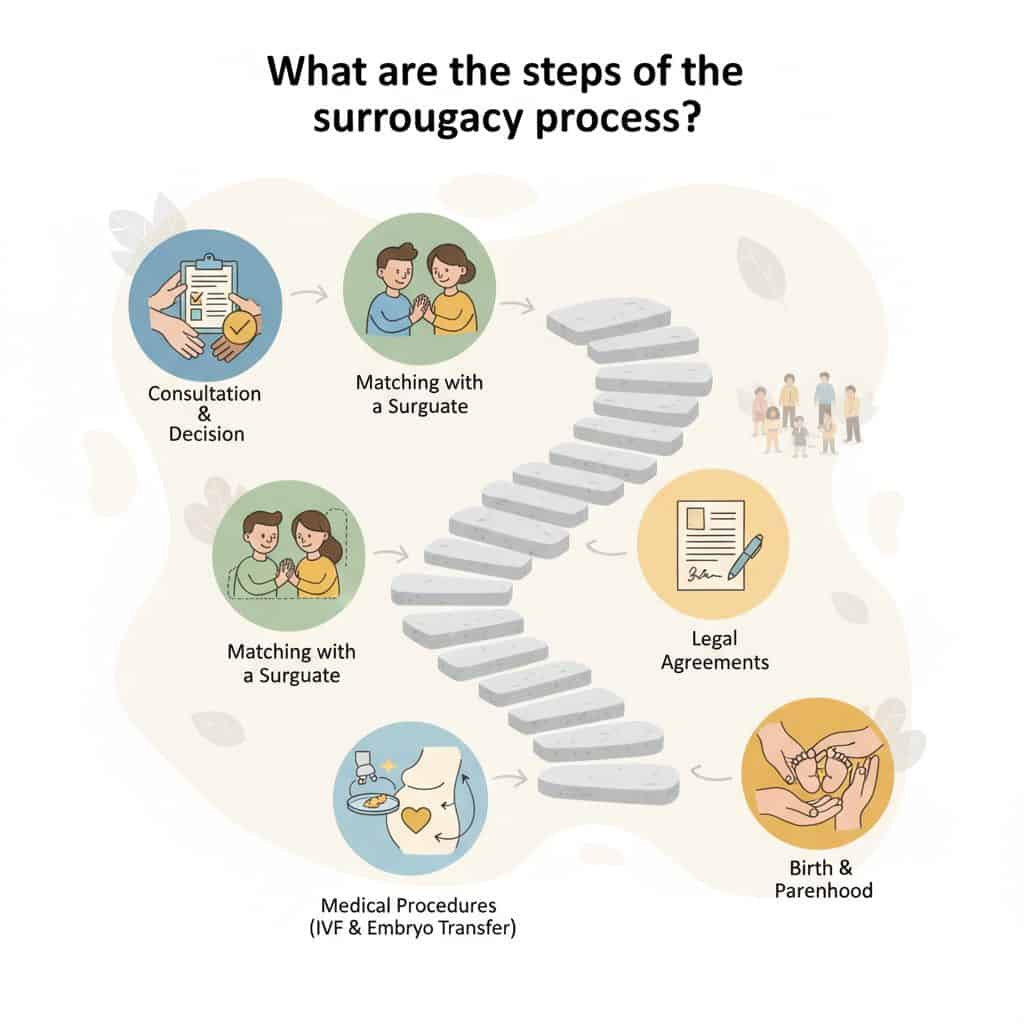
The surrogacy process can seem daunting, but understanding its phases can help intended parents and surrogates navigate it with confidence. Key steps include matching with a surrogate, medical screenings, legal agreements, and pregnancy support. Each phase is designed to ensure clarity, safety, and emotional support for all parties involved.
For intended parents, the journey begins with selecting a surrogate and finalizing the necessary legal contracts to protect everyone’s rights. Surrogates undergo medical evaluations to ensure their health and readiness for the process. Continuous communication and support throughout these steps are crucial for a successful surrogacy experience.
Legal Considerations in Surrogacy
Understanding the legal aspects of surrogacy is essential for both intended parents and surrogates. Laws regarding surrogacy vary by state, which can impact the contracts and agreements that need to be established. Consulting with a legal expert specializing in reproductive law can provide clarity and ensure compliance with local regulations.
Legal agreements typically address parental rights, compensation for the surrogate, and medical responsibilities. It’s vital for all parties to have a clear understanding of these terms to prevent disputes and ensure a smooth process. Legal support also helps in managing any unexpected situations that may arise during the surrogacy journey.
The Emotional Journey of Surrogacy
Surrogacy is not just a physical journey; it’s also an emotional one for both surrogates and intended parents. The process can evoke a range of feelings, from joy and excitement to anxiety and uncertainty. Open communication and support networks can help individuals navigate these emotions effectively.
Many surrogates report feeling a deep sense of purpose and fulfillment in helping others achieve their dream of parenthood. Similarly, intended parents often experience a rollercoaster of emotions throughout the process, especially during critical milestones such as embryo transfers and pregnancy confirmations. Emotional counseling and support groups can provide valuable resources for coping with these feelings.
Choosing the Right Surrogacy Agency
Selecting a surrogacy agency is a crucial step in the journey, as it can significantly impact the overall experience. A reputable agency should offer comprehensive services, including matching, medical support, legal guidance, and emotional counseling. Researching and comparing agencies based on their success rates, reviews, and support services can help in making an informed decision.
It's important to choose an agency that aligns with your values and offers a transparent process. Look for agencies that prioritize the well-being of both surrogates and intended parents, ensuring that all parties feel supported throughout their journey. A trustworthy agency can make the surrogacy experience more manageable and rewarding.
Understanding the Surrogacy Process
The surrogacy process can seem daunting, but understanding its phases can help intended parents and surrogates navigate it with confidence. Key steps include matching with a surrogate, medical screenings, legal agreements, and pregnancy support. Each phase is designed to ensure clarity, safety, and emotional support for all parties involved.
For intended parents, the journey begins with selecting a surrogate and finalizing the necessary legal contracts to protect everyone’s rights. Surrogates undergo medical evaluations to ensure their health and readiness for the process. Continuous communication and support throughout these steps are crucial for a successful surrogacy experience.
Legal Considerations in Surrogacy
Understanding the legal aspects of surrogacy is essential for both intended parents and surrogates. Laws regarding surrogacy vary by state, which can impact the contracts and agreements that need to be established. Consulting with a legal expert specializing in reproductive law can provide clarity and ensure compliance with local regulations.
Legal agreements typically address parental rights, compensation for the surrogate, and medical responsibilities. It’s vital for all parties to have a clear understanding of these terms to prevent disputes and ensure a smooth process. Legal support also helps in managing any unexpected situations that may arise during the surrogacy journey.
The Emotional Journey of Surrogacy
Surrogacy is not just a physical journey; it’s also an emotional one for both surrogates and intended parents. The process can evoke a range of feelings, from joy and excitement to anxiety and uncertainty. Open communication and support networks can help individuals navigate these emotions effectively.
Many surrogates report feeling a deep sense of purpose and fulfillment in helping others achieve their dream of parenthood. Similarly, intended parents often experience a rollercoaster of emotions throughout the process, especially during critical milestones such as embryo transfers and pregnancy confirmations. Emotional counseling and support groups can provide valuable resources for coping with these feelings.
Choosing the Right Surrogacy Agency
Selecting a surrogacy agency is a crucial step in the journey, as it can significantly impact the overall experience. A reputable agency should offer comprehensive services, including matching, medical support, legal guidance, and emotional counseling. Researching and comparing agencies based on their success rates, reviews, and support services can help in making an informed decision.
It's important to choose an agency that aligns with your values and offers a transparent process. Look for agencies that prioritize the well-being of both surrogates and intended parents, ensuring that all parties feel supported throughout their journey. A trustworthy agency can make the surrogacy experience more manageable and rewarding.